How to Choose a Reliable Pulverizer Machine Manufacturer | Raymond Mill & Ultrafine Pulverizer Guide
Source:clirikb
Posted:2026-08-06
A pulverizer machine manufacturer designs and produces industrial grinding systems that crush, grind, and classify solid materials into controlled particle sizes for downstream manufacturing.
Depending on production requirements, Raymond pulverizer mills handle 50–400 mesh powders for bulk construction and mining sectors, while ultrafine pulverizer machines deliver precision grinding up to 3000 mesh for high-value chemical, coating, and mineral processing applications.
Partnering with an experienced pulverizer machine manufacturer ensures stable output, energy efficiency, and long-term equipment reliability for mineral processing plants.

Across mining, chemical, and construction industries, pulverizing equipment forms the core of powder production lines.
Common materials processed by industrial pulverizers include:
Calcium carbonate, calcite, limestone
Talc, kaolin, mica
Barite, feldspar, quartz
Coal, fly ash, slag
Glass, ceramic, solid waste
Sourcing from third-party traders often leads to mismatched configurations, delayed spare parts, and unclear technical support.
Working directly with a pulverizer machine manufacturer guarantees customized system design, on-site installation guidance, and original wear parts supply, significantly lowering total ownership cost over the equipment lifecycle.
Long-term value delivered:
1\ A qualified pulverizer machine manufacturer optimizes grinding chamber structure;
2\ classifier precision;
3\ air duct design based on your material properties.
2\ Unit energy consumption and operating cost
3\ Equipment service life and maintenance convenience
4\ Compliance with environmental dust emission standards
5\ These factors directly determine profitability and compliance for mineral powder production plants.
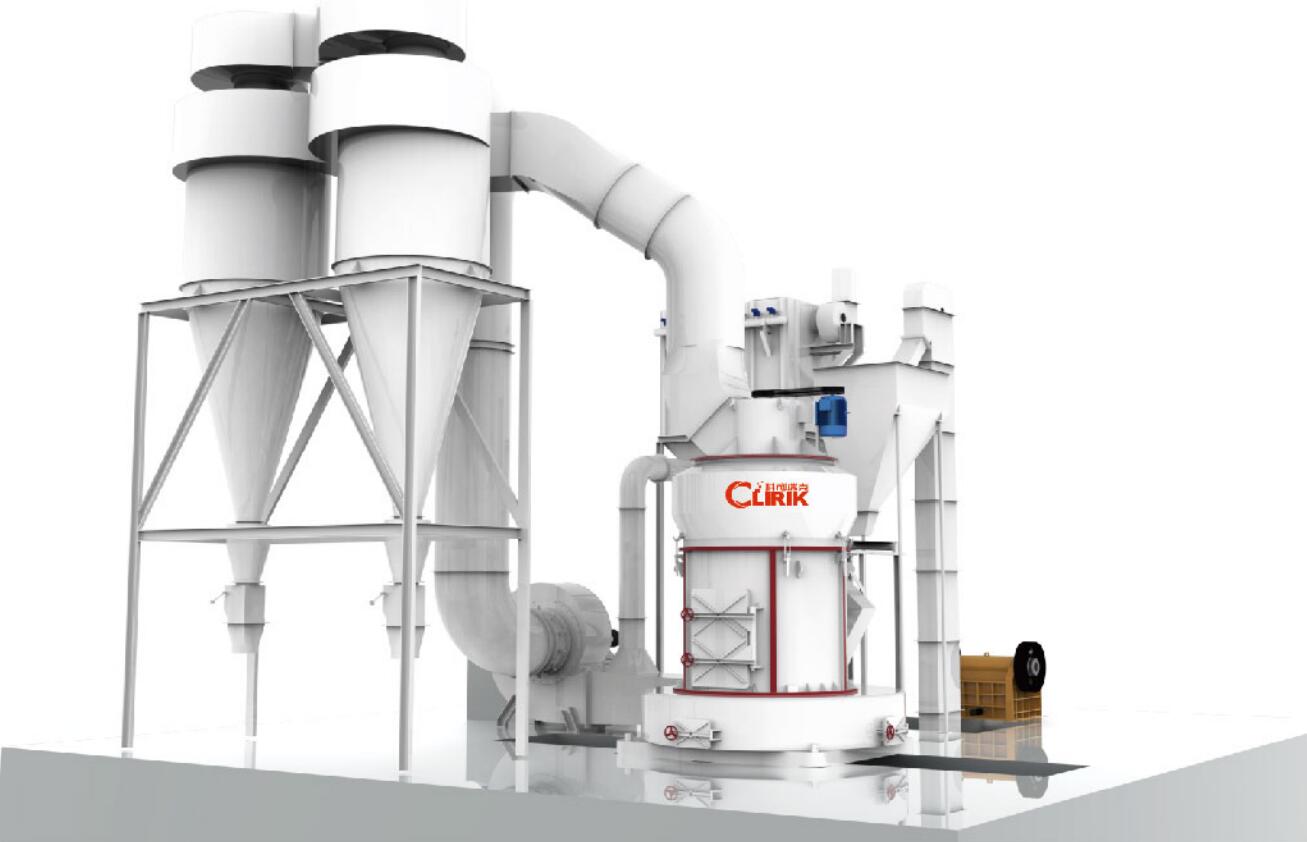
 Pulverizer Machine Production Line Process Flow
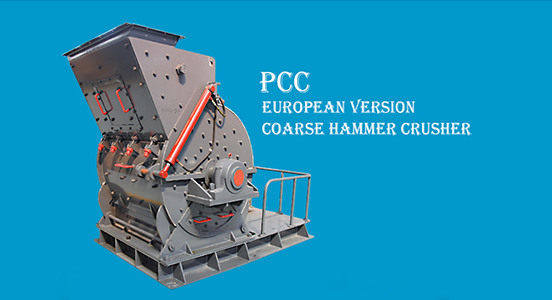
1\ Crusher: Reduces bulk raw ore to mill-compatible feed size.
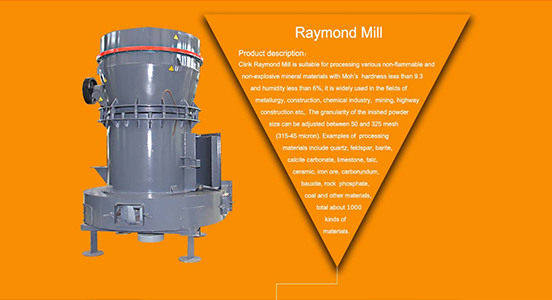
2\ Raymond Pulverizer Mill: Cost-effective solution for 50–400 mesh bulk production.
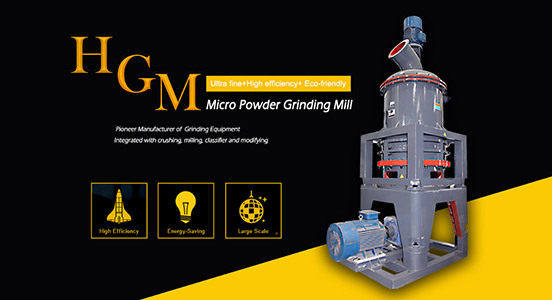
3\ HGM Ultrafine Pulverizer: High-precision system for 150–3000 mesh fine powder.
4\ Dust Collection System: Ensures clean production and environmental compliance.
Selecting the right pulverizer configuration depends on target fineness, hourly capacity, material hardness, and budget.
Below is a side-by-side comparison of two mainstream solutions from a professional pulverizer machine manufacturer.

Choose the Raymond Pulverizer Mill if your production focuses on bulk construction minerals such as limestone powder, desulfurization powder, or cement raw materials below 400 mesh.
It delivers the lowest investment per ton of output with simple on-site maintenance.

Typical applications for Raymond pulverizer systems:
1\ Desulfurization limestone: 200–325 mesh for power plant flue gas treatment.
2\ Mineral fillers: 325 mesh calcium carbonate for construction materials.
3\ Coal pulverizing: 200 mesh for boiler and coking industries.
Key structural advantages:
1\ Mature Design: Decades of field validation, widely accepted globally.
2\ Easy Maintenance: Roller and ring replacement requires minimal downtime.
3\ High Throughput: Delivers superior tonnage per kW for coarse powder grades.
Standard fineness grades from HGM pulverizer:
800 mesh, 1000 mesh, 1250 mesh, 1500 mesh, 2000 mesh, and up to 3000 mesh.
High-value industry applications:
1\ Paints & Coatings: Improves hiding power, gloss, and weather resistance.
2\ Plastics & Masterbatch: Enhances rigidity and dimensional stability.
3\ Paper Coating: Delivers smooth surface finish and improved printability.
Core technical differentiators:
1\ Cage Classifier: Vertical variable-frequency design delivers D97 precision within ±1μm.
2\ PLC Automation: Fully digital operation reduces labor cost and human error.
3\ Multi-Layer Grinding Tracks: Maximizes grinding efficiency for hard and abrasive minerals.
4\ Optimized Air Duct: Lowers system resistance and reduces unit power consumption.
Choosing the right manufacturing partner is a long-term decision. Use this decision framework to evaluate and shortlist suppliers.

Target fineness above 800 mesh? → Evaluate manufacturers with proven ultrafine pulverizer track record.
Mixed fineness requirements? → Choose a manufacturer offering both product lines for future flexibility.
oConfirm on-site installation, commissioning, and after-sales support.
oRequest sample grinding tests to validate real performance.
Advantages of partnering with CLIRIK:
✔ 15+ Years of Expertise: Deep experience across 100+ mineral types and application scenarios.
✔ Custom Engineering: Tailored line design based on your feed size, product mesh, and capacity.
✔ Factory Direct Pricing: In-house manufacturing ensures competitive pricing and quality control.
✔ On-Site Commissioning: Field engineers guide installation, calibration, and operator training.
✔ Sample Grinding Test: Verify equipment performance with your actual material before purchase.
✔ Global Footprint: Installed projects in over 80 countries and regions.
✔ Rapid Spare Parts: 24/7 parts support to minimize production downtime.
Depending on production requirements, Raymond pulverizer mills handle 50–400 mesh powders for bulk construction and mining sectors, while ultrafine pulverizer machines deliver precision grinding up to 3000 mesh for high-value chemical, coating, and mineral processing applications.
Partnering with an experienced pulverizer machine manufacturer ensures stable output, energy efficiency, and long-term equipment reliability for mineral processing plants.
Pulverizer Machine Production Line Process Flow
Why Partner With a Professional Pulverizer Machine Manufacturer?
Across mining, chemical, and construction industries, pulverizing equipment forms the core of powder production lines.Common materials processed by industrial pulverizers include:
Calcium carbonate, calcite, limestone
Talc, kaolin, mica
Barite, feldspar, quartz
Coal, fly ash, slag
Glass, ceramic, solid waste
Why factory-direct manufacturing matters?
Sourcing from third-party traders often leads to mismatched configurations, delayed spare parts, and unclear technical support.
Working directly with a pulverizer machine manufacturer guarantees customized system design, on-site installation guidance, and original wear parts supply, significantly lowering total ownership cost over the equipment lifecycle.
Long-term value delivered:
1\ A qualified pulverizer machine manufacturer optimizes grinding chamber structure;
2\ classifier precision;
3\ air duct design based on your material properties.
This directly improves:
1\ Production stability and consistent particle size2\ Unit energy consumption and operating cost
3\ Equipment service life and maintenance convenience
4\ Compliance with environmental dust emission standards
5\ These factors directly determine profitability and compliance for mineral powder production plants.
Complete Pulverizer Machine Production Line Process
A high-performance pulverizer production line follows a standardized workflow to ensure uniform product quality and stable continuous operation. Pulverizer Machine Production Line Process FlowRaw Material
↓ Primary Crushing (Jaw / Hammer Crusher reduces feed size)
↓ Elevating & Feeding (Bucket elevator + vibrating feeder)
↓ Grinding (Raymond Pulverizer or HGM Ultrafine Pulverizer)
↓ Air Classification (Precision classifier controls final mesh)
↓ Dust Collection (Cyclone + pulse bag filter)
Packaging (Automatic bagging or bulk loading)
Core equipment supplied by a pulverizer machine manufacturer:↓ Primary Crushing (Jaw / Hammer Crusher reduces feed size)
↓ Elevating & Feeding (Bucket elevator + vibrating feeder)
↓ Grinding (Raymond Pulverizer or HGM Ultrafine Pulverizer)
↓ Air Classification (Precision classifier controls final mesh)
↓ Dust Collection (Cyclone + pulse bag filter)
Packaging (Automatic bagging or bulk loading)
1\ Crusher: Reduces bulk raw ore to mill-compatible feed size.
2\ Raymond Pulverizer Mill: Cost-effective solution for 50–400 mesh bulk production.
3\ HGM Ultrafine Pulverizer: High-precision system for 150–3000 mesh fine powder.
4\ Dust Collection System: Ensures clean production and environmental compliance.
Which Pulverizer Machine Type Fits Your Production?
Selecting the right pulverizer configuration depends on target fineness, hourly capacity, material hardness, and budget.Below is a side-by-side comparison of two mainstream solutions from a professional pulverizer machine manufacturer.
| Item | Raymond Pulverizer Mill | HGM Ultrafine Pulverizer |
| Fineness Range | 50–400 mesh | 150–3000 mesh |
| Hourly Capacity | 1–40 t/h (coarse grades) | 0.5–12 t/h (fine grades) |
| Initial Investment | Lower entry cost | Higher initial outlay |
| Primary Applications | Cement, mining, construction fillers | Coatings, plastics, pharmaceuticals, high-end fillers |
| Unit Operating Cost | Low for coarse powder | Lower per ton for ultrafine grades |
| Product Market Value | Medium | High premium pricing |
When to choose a Raymond pulverizer?
Choose the Raymond Pulverizer Mill if your production focuses on bulk construction minerals such as limestone powder, desulfurization powder, or cement raw materials below 400 mesh.
It delivers the lowest investment per ton of output with simple on-site maintenance.
When to choose an ultrafine pulverizer?
Choose the HGM Ultrafine Pulverizer when targeting high-margin industries such as paint, rubber, paper coating, or cosmetic fillers requiring 800 mesh or finer. Although upfront investment is higher, premium ultrafine powder pricing delivers substantially faster return on investment.Raymond Pulverizer Mill for Bulk Powder Production
Raymond Pulverizer Mill for Bulk Powder Production
The Raymond pulverizer mill is a proven, heavy-duty solution for medium-fineness mineral grinding. It is engineered for high uptime and continuous large-volume production. Typical applications for Raymond pulverizer systems:
1\ Desulfurization limestone: 200–325 mesh for power plant flue gas treatment.
2\ Mineral fillers: 325 mesh calcium carbonate for construction materials.
3\ Coal pulverizing: 200 mesh for boiler and coking industries.
Key structural advantages:
1\ Mature Design: Decades of field validation, widely accepted globally.
2\ Easy Maintenance: Roller and ring replacement requires minimal downtime.
3\ High Throughput: Delivers superior tonnage per kW for coarse powder grades.
HGM Ultrafine Pulverizer for High-Value Fine Powder
For manufacturers pursuing maximum profit per ton, the HGM ultrafine pulverizer is the industry-standard solution from a leading pulverizer machine manufacturer. It unlocks premium market segments requiring tight particle size distribution.Standard fineness grades from HGM pulverizer:
800 mesh, 1000 mesh, 1250 mesh, 1500 mesh, 2000 mesh, and up to 3000 mesh.
High-value industry applications:
1\ Paints & Coatings: Improves hiding power, gloss, and weather resistance.
2\ Plastics & Masterbatch: Enhances rigidity and dimensional stability.
3\ Paper Coating: Delivers smooth surface finish and improved printability.
Core technical differentiators:
1\ Cage Classifier: Vertical variable-frequency design delivers D97 precision within ±1μm.
2\ PLC Automation: Fully digital operation reduces labor cost and human error.
3\ Multi-Layer Grinding Tracks: Maximizes grinding efficiency for hard and abrasive minerals.
4\ Optimized Air Duct: Lowers system resistance and reduces unit power consumption.
Recommended Pulverizer Specifications by Industry
To help you define equipment requirements with your pulverizer machine manufacturer, here is the reference specification table matching common industry demands.| Industry | Recommended Mesh | Application Notes |
| Power Desulfurization | 200–325 | Standard limestone powder for FGD systems. |
| Construction Filler | 325–400 | General calcium carbonate for dry mortar. |
| Ceramic Body | 325–800 | Controls firing shrinkage and body strength. |
| Architectural Paint | 800–1250 | Balances gloss, hiding power, and cost. |
| Plastic Masterbatch | 1000–2000 | Improves dispersion and mechanical properties. |
| Rubber Compounding | 600–1250 | Enhances tensile strength and abrasion resistance. |
| High-End Functional Filler | 1250–3000 | Premium grade for sealants and specialty coatings. |
How to Select the Right Pulverizer Machine Manufacturer
Choosing the right manufacturing partner is a long-term decision. Use this decision framework to evaluate and shortlist suppliers.
Right Pulverizer Machine Manufacturer
Selection Flow
1\ Clarify your production parameters first.
Target fineness below 400 mesh? → Prioritize manufacturers strong in Raymond pulverizer systems.Target fineness above 800 mesh? → Evaluate manufacturers with proven ultrafine pulverizer track record.
Mixed fineness requirements? → Choose a manufacturer offering both product lines for future flexibility.
2\ Evaluate manufacturer capability.
oVerify factory scale, R&D capacity, and case history.oConfirm on-site installation, commissioning, and after-sales support.
oRequest sample grinding tests to validate real performance.
Why Choose CLIRIK as Your Pulverizer Machine Manufacturer
CLIRIK is a specialized pulverizer machine manufacturer with over 15 years of focus on industrial grinding equipment.Advantages of partnering with CLIRIK:
✔ 15+ Years of Expertise: Deep experience across 100+ mineral types and application scenarios.
✔ Custom Engineering: Tailored line design based on your feed size, product mesh, and capacity.
✔ Factory Direct Pricing: In-house manufacturing ensures competitive pricing and quality control.
✔ On-Site Commissioning: Field engineers guide installation, calibration, and operator training.
✔ Sample Grinding Test: Verify equipment performance with your actual material before purchase.
✔ Global Footprint: Installed projects in over 80 countries and regions.
✔ Rapid Spare Parts: 24/7 parts support to minimize production downtime.
FAQ (Frequently Asked Questions)
1\ What materials can a pulverizer machine process?
Pulverizer machines handle most non-metallic minerals such as calcite, limestone, talc, kaolin, barite, quartz, feldspar, as well as coal, slag, glass, and other brittle solid materials.2\ What is the typical fineness range of a Raymond pulverizer?
A standard Raymond pulverizer produces powder from 50 to 400 mesh. With an upgraded classifier, it can reach up to 500 mesh for medium-fineness applications.3\ Can an ultrafine pulverizer produce 2000 mesh powder?
Yes. The HGM ultrafine pulverizer is engineered for fine and ultrafine grinding. It reliably produces 1250 mesh, 2000 mesh, and up to 3000 mesh powder with controlled D97 particle deviation.4\ How do I choose between Raymond and ultrafine pulverizer?
If your market is bulk construction and mining powders below 400 mesh, choose a Raymond pulverizer for cost efficiency. If you target high-value fine powder markets above 800 mesh, select an ultrafine pulverizer system.5\ What affects pulverizer machine price?
Major factors include equipment model, production capacity, material of construction, automation level, auxiliary equipment scope, and on-site service terms. A professional pulverizer machine manufacturer will provide a detailed quotation based on your specific parameters.6\ What after-sales support should a pulverizer machine manufacturer provide?
A reliable manufacturer should offer installation guidance, operator training, regular maintenance service, original spare parts supply, and technical consultation throughout the equipment service life.7\ What is the service life of an industrial pulverizer machine?
With proper operation and regular maintenance, a heavy-duty pulverizer system typically serves 8–15 years. Wear parts such as rollers and rings are replaceable, and a reputable pulverizer machine manufacturer ensures long-term parts availability.8\ What does a pulverizer machine manufacturer produce?
A pulverizer machine manufacturer designs, assembles, and supplies complete industrial grinding systems including crushers, feeders, grinding mills, classifiers, dust collectors, and control systems for mineral and chemical powder production.Related Newsmore >>
- How to Choose a Reliable Pulverizer Machine Manufacturer | Raymond Mill & Ultrafine Pulverizer Guide2026-08-06
- How to Choose a Carbon Black Grinding Mill?2026-08-05
- CLIRIK Mid-Year Corporate Dynamic: After-Sales Service Skill Contest2026-08-04
- CLIRIK New Mineral Testing Lab Put Into Operation for Customer Ore Sample Analysis2026-07-30
- How to Grind Recycled Glass into High-Value Glass Powder | HGM Ultrafine Mill & Raymond Mill2026-07-21
- CLIRIK Grinding Machine Technical Renovation Completed & Officially Put Into Process2026-07-13