How to Choose a Carbon Black Grinding Mill?
Source:lanya
Posted:2026-08-05
What is Carbon Black?

carbon black
Carbon black is a microfine powder composed of carbon elements, typically produced by incomplete combustion or thermal cracking of hydrocarbons (such as heavy oil, natural gas, coal tar, etc.) at high temperatures. It is an important industrial filler and colorant, known for strong coloring power, good weather resistance, adjustable conductivity, and UV resistance.According to raw materials and production processes, carbon black can be divided into several types, the common ones are:
1.Rubber carbon black: mainly used in tires, hoses, rubber tapes and other rubber products for reinforcement and filling, it is the largest consumption variety.
2.Pigment carbon black: used in coatings, inks, plastics, paints, etc., providing pure black color and excellent hiding power, with extremely high fineness requirements.
3.Conductive carbon black: used in lithium batteries, conductive plastics, antistatic materials, etc., imparting electrical conductivity, with stringent requirements for purity and dispersibility.The uses of carbon black cover almost all modern industrial fields: rubber industry (about 70% of carbon black is used in tire manufacturing), plastic modification, coatings and inks, electronic materials, waterproofing materials, sealants, etc. Different applications have vastly different requirements for fineness, structure, and purity of carbon black, ranging from coarse powder (80 mesh) to ultra-fine powder (over 5000 mesh). Therefore, the grinding process of carbon black is a key factor determining its final performance.
However, carbon black itself is light, fluffy, sticky, and dusty. Ordinary pulverizers often experience clogging, low output, uneven fineness, and excessive dust. Therefore, choosing the right carbon black grinding mill and matching the appropriate production line is the core to ensuring quality and reducing costs.
Specifically, carbon black is a light, porous ultra-fine powder material, completely different from hard ores like limestone and calcite. There are four major challenges in processing:
1.Light and easy to blow away: The material has low specific gravity, and fine powder is easily carried away by airflow during grinding, causing large losses and low yield.
2.Strong stickiness and easy wall adhesion: Fine carbon black particles have strong adsorption and tend to adhere to the grinding chamber, pipes, and classifying impellers, leading to blockage over time.
3.Severe dust emission: Ultra-fine dust diffuses quickly, and ordinary equipment has poor sealing, causing excessive dust in workshops and environmental pressure.
4.Wide fineness span: From 80 mesh coarse powder to above 2000 mesh ultra-fine powder, a single machine type cannot cover all requirements.Therefore, carbon black grinding must use specialized equipment optimized for light powders, with dedicated air ducts, classifying systems, and dust collection structures to fundamentally solve these problems.
1. 80-325 mesh: Rubber Filler, General Industrial Carbon Black
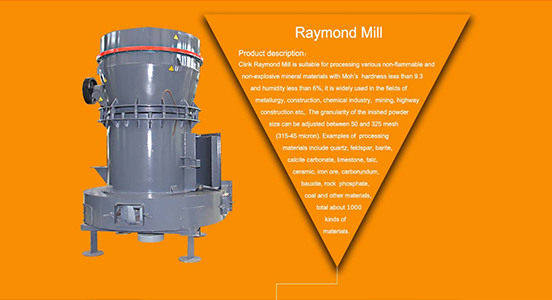
This range requires high output, stable operation, and low cost, without pursuing extremely high fineness.Recommended machine: Carbon black dedicated Raymond mill
- Advantages: High capacity (1~30 t/h), can operate continuously 24 hours, moderate energy consumption, outstanding cost-effectiveness.
- Improvements for carbon black: Optimized air duct and scraper system to reduce wall sticking and clogging, with smooth feeding and discharging.
- Disadvantage: Fineness limit is about 325 mesh, cannot produce ultra-fine powder.
2. 325-2000 mesh: Ultra-fine Carbon Black for Coatings, Inks, Masterbatches
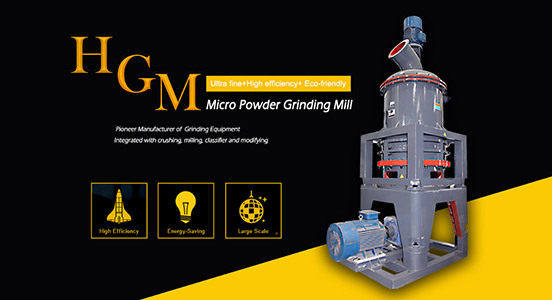
High-end pigment carbon black requires fine powder, no particles, and high purity, which conventional Raymond mills cannot achieve.Recommended machine: HGM ultrafine grinding mill (ring roller mill)
- Advantages: Built-in high-precision air classifier, precise fineness control (325~2000 mesh), good sealing, equipped with dust collection system, less dust.
- Output 0.5~15 t/h, suitable for medium to large-scale ultra-fine powder production.
- Disadvantage: Not capable for above 2000 mesh, and mechanical grinding may slightly affect some high-purity materials.
3. 1000-3000 mesh: Medium-high fineness with balanced capacity – Air Classifier Mill
If you need fineness between 1000 and 3000 mesh, and want finer than ring roller mill but higher output than jet mill, the air classifier mill is a good choice.Features of air classifier mill
- Utilizes high-speed vortex and classifying rotor for multiple grinding and classification, fineness up to 1000~3000 mesh.
- Higher fineness limit than ring roller mill; larger single-machine capacity (0.3~8 t/h) than jet mill.
- Suitable for plastic modification, mid-to-high-end coatings, and some conductive fillers.
- Note: Sensitive to material moisture, need to control moisture; sealing and dust collection must also be properly equipped.
4. Above 2000 mesh: Conductive Carbon Black, Ultra-fine Carbon Black for Precision Chemicals
New energy, electronic materials and other fields require 2000~5000 mesh ultra-fine powder, with no metal contamination and no damage to material properties.Recommended machine: Jet mill
- Advantages: No mechanical wear, low-temperature impact grinding, preserves original properties of carbon black; fineness up to 2000~5000 mesh, high purity, no metal contamination.
- Disadvantage: Small single-machine output (from tens of kg to several tons per hour), suitable for small-batch high-value-added production, with higher investment and operating costs.
5.Quick Comparison Table of Machine Types
|
6. How to configure the whole production line?

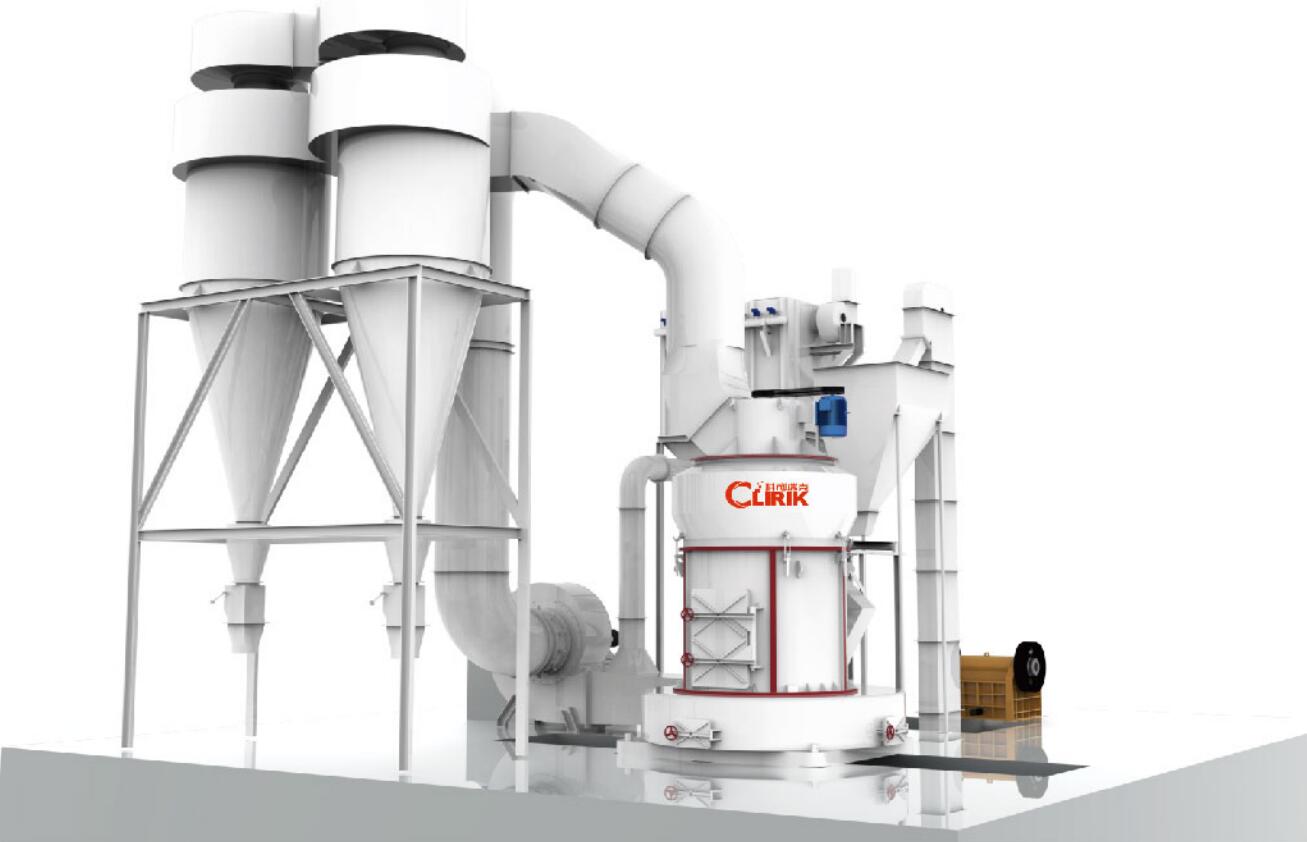
Carbon Black Grinding Process Flow Chart
Regardless of which main machine is selected, the complete production line includes: raw material feeding → grinding main unit → classifying system → conveying pipeline → pulse dust collector → finished product silo → automatic packing. The entire process is enclosed and automatically controlled, solving dust pollution and material loss while meeting environmental requirements.
7. FAQ
(1). What to do about wall sticking and clogging?CLIRIK equipment is specially optimized for carbon black with improved air duct and scraper angles to reduce accumulation, and increased air speed to ensure smooth discharge.
(2). Is a dust collector necessary?
Yes, it is mandatory. The standard pulse dust collector has high efficiency, keeping the workshop dust-free and meeting environmental inspection standards.
(3). How to estimate output?
Raymond mill for coarse powder: 1~30 t/h; ring roller ultra-fine mill: 0.5~15 t/h; vortex mill: 0.3~8 t/h; jet mill for small-batch custom production. For specific data, please contact CLIRIK for calculation.
8. Advantages of CLIRIK Equipment
- Specially modified air duct and grinding structure for the light, sticky, and fluffy nature of carbon black, reducing clogging.
- Full line with upgraded sealing and high-efficiency dust collection, minimizing dust loss.
- Complete range covering 80~5000 mesh, including Raymond mills, ring roller mills, vortex mills, and jet mills.
- One-stop service from selection, site planning, installation and commissioning, to after-sales maintenance.
- Numerous successful carbon black processing projects worldwide, with low energy consumption, low failure rate, and stable long-term returns.
Summary
To choose a carbon black grinding mill, first determine the target fineness:- 80~325 mesh → use Raymond mill (for high output);
- 325~2000 mesh → use HGM ultrafine grinding mill (for precision);
- 1000~3000 mesh → consider air classifier mill (for balance);
- Above 2000 mesh → choose jet mill (for ultra-pure and ultra-fine).
After understanding the machine types, if you are processing tire pyrolysis or coconut shell raw materials, please refer to CLIRIK's special application solutions; for specific equipment parameters and factory quotes, please check CLIRIK's product center. CLIRIK can also customize a solution based on your capacity, fineness, and site conditions to help you produce efficiently, environmentally, and cost-effectively. Choosing the right grinding mill means choosing stable long-term returns.
Related Newsmore >>
- How to Choose a Carbon Black Grinding Mill?2026-08-05
- CLIRIK Mid-Year Corporate Dynamic: After-Sales Service Skill Contest2026-08-04
- CLIRIK New Mineral Testing Lab Put Into Operation for Customer Ore Sample Analysis2026-07-30
- How to Grind Recycled Glass into High-Value Glass Powder | HGM Ultrafine Mill & Raymond Mill2026-07-21
- CLIRIK Grinding Machine Technical Renovation Completed & Officially Put Into Process2026-07-13
- CLIRIK Receives Large Delegation from Vietnam for Factory Audit & Bulk Grinding Mill Contract Signin2026-07-06