Coarse vs Fine Powder Grinding: Methods, Equipment | CLIRIK Solution
Source:clirikb
Posted:2026-11-19
Particle size defines the value of a mineral powder.
Coarse powder and fine powder serve completely different markets.They also need very different production lines.

This guide breaks down the difference between coarse and fine powder production.It covers common grinding methods, typical equipment and end uses.
It also explains how CLIRIK equipment covers the full route from coarse crushing to ultrafine grinding.
This stage focuses on reducing big ore lumps into manageable small pieces.
It acts as preparation for finer grinding later.
Jaw crushing is the most basic size reduction method.
Mining and quarry sites almost always start with a jaw crusher.
It breaks large chunks into smaller feed for downstream processes.

A jaw crusher has two jaws. One stays fixed. The other moves back and forth.
The moving jaw compresses material against the fixed jaw. Tear, shear and impact forces fracture the rock.
Jaw crushers handle a wide range of industrial materials.
Stone and gravel. Ceramic and glass. Construction aggregates. Recyclables. Minerals and metal ores.

Final particle size stays at 0.5 mm and larger.Exact size depends on material hardness and brittleness
Jaw crushers do not work well on rubbery, sticky or wet materials.
Besides, they cannot produce fine powder alone. You need additional grinding steps for finer products.
They use a different internal structure from jaw crushers. They deliver better size control and smaller final particles.

Impact crushers produce more cubical shaped product.
They create fewer needle-like particles than jaw crushers. People often use them as the second crushing step after jaw crushing.
They work well for materials like limestone, coal, gypsum and various medium-hard minerals.
They also handle less abrasive chemical materials.
Hammers apply impact, shear and centrifugal force to shred and crush material.
Resulting particle sizes range from millimeters down to around 100 microns.
You can adjust results by changing hammer size, spacing and rotor speed.

Hammer mills handle a wider range of materials than roller mills. They work on tougher and more fibrous materials.
They do not fit sticky, extremely hard or highly abrasive materials.
Hammer milling also generates higher temperatures.
You need to watch for combustibility or low melting point issues.
Road and building construction use crushed stone as base material.
Cement plants use crushed limestone as raw material.
Low-grade rubber and plastic fillers use 200–325 mesh coarse powder.
Agriculture uses ground minerals for soil amendment.

Ultrafine powder goes down to single digit microns or even sub-micron level.
This level of fineness needs specialized grinding equipment.
Quality control gets much stricter than coarse powder.

The rolls apply crushing and shearing forces.
You adjust the gap between rolls to match feed size and target fineness.
Material usually feeds by gravity. More roll pairs with smaller gaps create finer results.
Roller mills work best for friable materials that fracture under stress.
Common materials include grains, plastics, limestone and other minerals.
Typical target size ranges from 100 microns to 2 mm.

Skilled operators can achieve narrow particle size ranges with roller mills.
Roller milling also generates less heat than some other methods. Fibrous and pliable materials do not work well on roller mills.
They just deform or flatten instead of breaking.
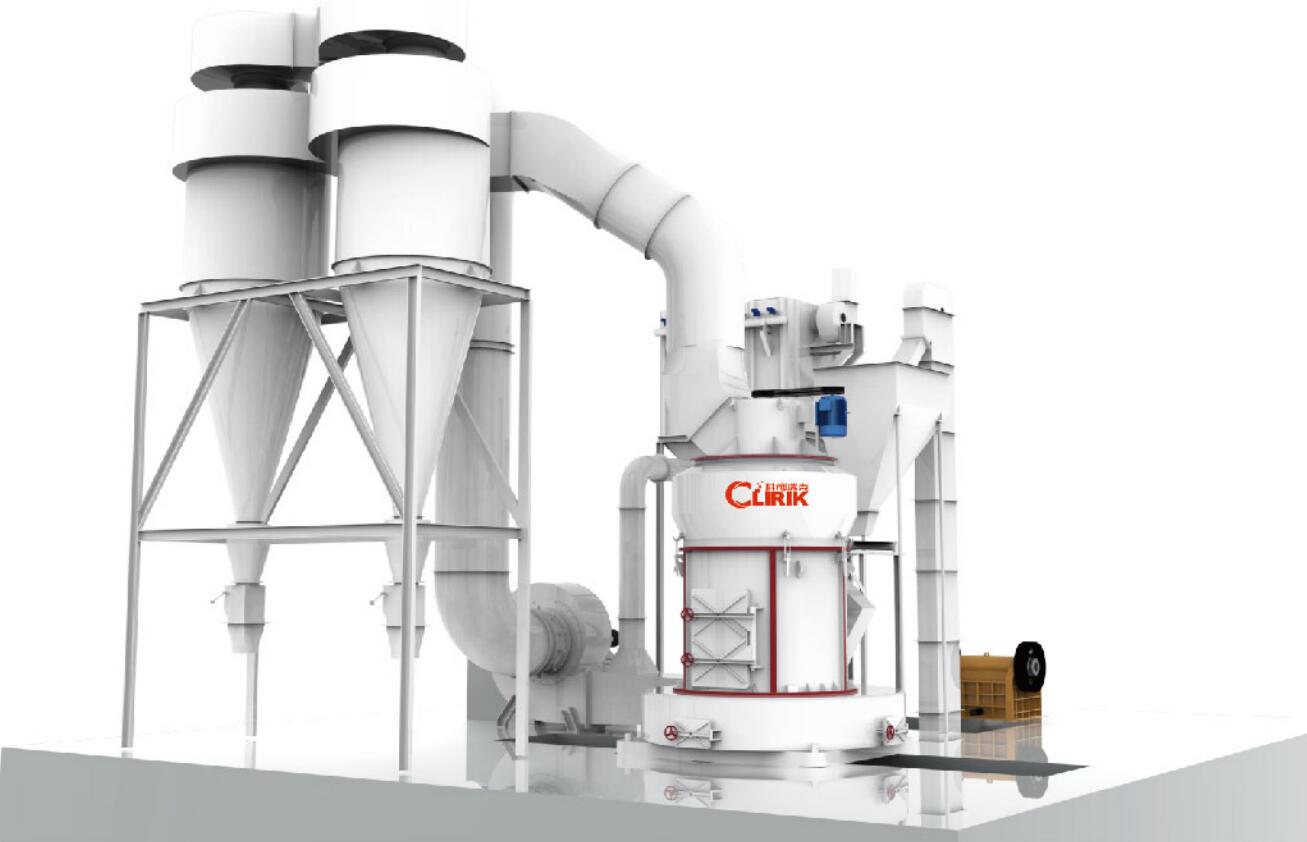
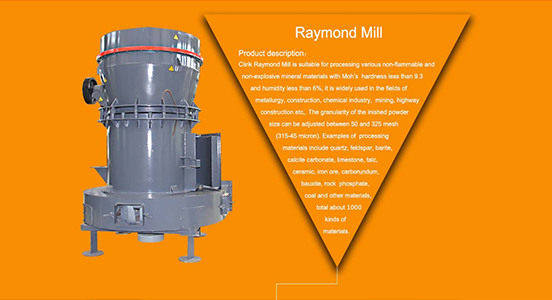
Raymond mills and CLIRIK CLRM series mills belong to this category.
They produce 80–400 mesh powder for general filler applications.
They accelerate particles inside a grinding chamber. Particles collide with each other and break apart.
This process is called micronization.

Jet mills achieve particle sizes down to 5 microns or smaller.
They play an important role in cosmetics, pharmaceuticals, dry lubricants and high-end mineral processing.
Very fine particles create much higher surface area.
This brings benefits like stronger active ingredient effect, lower dosage, precise pigment color and exact abrasive performance.
Jet mills have very high energy cost.
They also need a lot of compressed air. Most plants only use them for high-value products.
It uses collision and shear forces from grinding media to break material.
It works for both dry and wet processes.
Adjustable parameters include ball type and size, rotation speed, and slurry concentration.

Dry media milling works for soft materials.
Wet grinding in liquid slurry goes much finer. It can reach nanometer range particle sizes.
Wet media milling offers excellent size distribution control. It fits micro and nano particle requirements in pharmaceutical and cosmetic industries.
It also has longer process time and higher energy input. Drying steps add extra cost after wet grinding.
Plastic masterbatch uses fine calcium carbonate as functional filler.
Architectural and industrial coatings need 800–2500 mesh powder.
High-end paper coating uses ultrafine GCC for smooth surface and better printability.
Pharmaceuticals, cosmetics and food additives need even finer and purer powder.

Fine grinding pushes particles down to single digit microns.
Ultrafine grinding enters sub-micron and nano territory.
Each level needs its own dedicated equipment.
Ultrafine and nano grinding have exponentially rising energy cost.
That is why fine powder sells at much higher price.
Fine and ultrafine mills carry much higher price tags.
Supporting equipment like classifiers and dust collectors also add cost.
You have to control D10, D50 and D97 precisely.
Batch consistency matters a lot for downstream customers.
Fine and ultrafine functional powder sells by quality with much higher margin.
The right production equipment directly decides your profit level.

We cover every step from raw ore crushing to finished ultrafine powder packaging.
You do not need to source from multiple suppliers.
We match the right equipment to your material and target product.
They reduce large ore lumps into proper feed size for grinding mills.
Our crushing equipment handles calcite, limestone, talc, barite and other common non-metallic minerals.
We design the crushing line according to your feed size and hourly output.
They use mature roller grinding structure. They run reliably with low maintenance cost.
This type of mill fits building material fillers, low-end plastic filler and general industrial powder.
They combine multi-roller grinding with high-precision air classification.
Finished particle size adjusts freely within the range. Narrow particle size distribution meets strict filler and coating standards.
Compared to jet mills and ball mills, HGM mills use 30–40% less energy per ton.
They also have smaller footprint and lower installation cost.
They work perfectly for calcite, limestone, talc, wollastonite and similar minerals.
The whole system runs under negative pressure. Dust emission stays well below national standards.
Workshop environment stays clean.
We also equip PLC control cabinets for the full line.
Operators adjust feed rate, classifier speed and fan pressure on the touch screen.
Automatic control reduces manual error. It keeps every batch of powder consistent.
Our technical team supports you from project planning to stable production.
Whether you need a simple coarse powder line or a full ultrafine GCC plant, we have the matching solution.

Coarse grinding and fine grinding are two completely different production stages.
Coarse crushing breaks big ore into small pieces. Fine and ultrafine grinding creates high-value functional powder.
Each stage needs its own equipment and process design.
CLIRIK covers the full production chain. Jaw crushers and impact crushers handle front-end size reduction.
CLRM roller mills produce medium-fine general filler powder. HGM ultrafine mills deliver high-end 800–3000 mesh product. One supplier, one consistent solution.
If you are planning a new powder plant or upgrading an existing line, contact our technical team.
We will recommend the right equipment combination for your material, fineness and output target.
Grinding produces finer powder down to micron or sub-micron level. Crushing comes first, grinding follows.
They use much less energy than jet mills for the same fineness.
But a mill designed for coarse powder cannot reach ultrafine level. Match the mill to your main target fineness.
But it requires drying afterwards and costs more. Dry grinding fits most industrial mineral filler products.
We design the whole line based on your specific requirements.
Contact our team with your material, output and target fineness. We will give you a detailed quotation.
Coarse powder and fine powder serve completely different markets.They also need very different production lines.
This guide breaks down the difference between coarse and fine powder production.It covers common grinding methods, typical equipment and end uses.
It also explains how CLIRIK equipment covers the full route from coarse crushing to ultrafine grinding.
Coarse Powder Production: Methods and Common Equipment
Coarse powder usually sits between 0.5 mm and 100 microns. That equals roughly 20 mesh to 150 mesh.This stage focuses on reducing big ore lumps into manageable small pieces.
It acts as preparation for finer grinding later.
1.1Jaw Crushing
Jaw crushing is the most basic size reduction method.
Mining and quarry sites almost always start with a jaw crusher.
It breaks large chunks into smaller feed for downstream processes.
A jaw crusher has two jaws. One stays fixed. The other moves back and forth.
The moving jaw compresses material against the fixed jaw. Tear, shear and impact forces fracture the rock.
Jaw crushers handle a wide range of industrial materials.
Stone and gravel. Ceramic and glass. Construction aggregates. Recyclables. Minerals and metal ores.
Final particle size stays at 0.5 mm and larger.Exact size depends on material hardness and brittleness
Jaw crushers do not work well on rubbery, sticky or wet materials.
Besides, they cannot produce fine powder alone. You need additional grinding steps for finer products.
1.2Impact Crushing
Impact crushers also work as primary or secondary crushing equipment.They use a different internal structure from jaw crushers. They deliver better size control and smaller final particles.
Impact crushers produce more cubical shaped product.
They create fewer needle-like particles than jaw crushers. People often use them as the second crushing step after jaw crushing.
They work well for materials like limestone, coal, gypsum and various medium-hard minerals.
They also handle less abrasive chemical materials.
1.3Hammer Mills
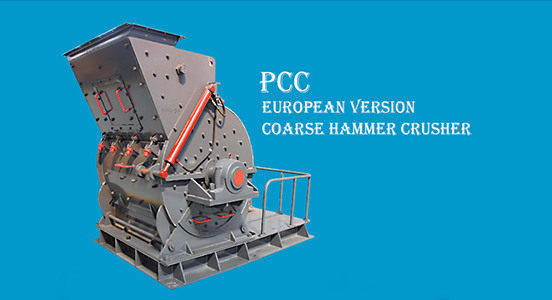
Hammer mills use small hammers mounted on a rotor.The rotor spins inside a grinding chamber.Hammers apply impact, shear and centrifugal force to shred and crush material.
Resulting particle sizes range from millimeters down to around 100 microns.
You can adjust results by changing hammer size, spacing and rotor speed.
Hammer mills handle a wider range of materials than roller mills. They work on tougher and more fibrous materials.
They do not fit sticky, extremely hard or highly abrasive materials.
Hammer milling also generates higher temperatures.
You need to watch for combustibility or low melting point issues.
1.4Common uses of coarse powder
Coarse powder and crushed aggregates serve many basic industries.Road and building construction use crushed stone as base material.
Cement plants use crushed limestone as raw material.
Low-grade rubber and plastic fillers use 200–325 mesh coarse powder.
Agriculture uses ground minerals for soil amendment.
Fine & Ultrafine Powder: Production Methods and Equipment
Fine powder generally means particles below 100 microns.Ultrafine powder goes down to single digit microns or even sub-micron level.
This level of fineness needs specialized grinding equipment.
Quality control gets much stricter than coarse powder.
2.1Roller Mills (Mid to Fine Range)
In a roller mill, material passes between counter-rotating cylinders.The rolls apply crushing and shearing forces.
You adjust the gap between rolls to match feed size and target fineness.
Material usually feeds by gravity. More roll pairs with smaller gaps create finer results.
Roller mills work best for friable materials that fracture under stress.
Common materials include grains, plastics, limestone and other minerals.
Typical target size ranges from 100 microns to 2 mm.
Skilled operators can achieve narrow particle size ranges with roller mills.
Roller milling also generates less heat than some other methods. Fibrous and pliable materials do not work well on roller mills.
They just deform or flatten instead of breaking.
Raymond mills and CLIRIK CLRM series mills belong to this category.
They produce 80–400 mesh powder for general filler applications.
2.2Jet Milling
Jet mills use compressed air, gas or superheated steamThey accelerate particles inside a grinding chamber. Particles collide with each other and break apart.
This process is called micronization.
Jet mills achieve particle sizes down to 5 microns or smaller.
They play an important role in cosmetics, pharmaceuticals, dry lubricants and high-end mineral processing.
Very fine particles create much higher surface area.
This brings benefits like stronger active ingredient effect, lower dosage, precise pigment color and exact abrasive performance.
Jet mills have very high energy cost.
They also need a lot of compressed air. Most plants only use them for high-value products.
2.3 Media Milling, Dry and Wet
Ball milling is the most common type of media milling.It uses collision and shear forces from grinding media to break material.
It works for both dry and wet processes.
Adjustable parameters include ball type and size, rotation speed, and slurry concentration.
Dry media milling works for soft materials.
Wet grinding in liquid slurry goes much finer. It can reach nanometer range particle sizes.
Wet media milling offers excellent size distribution control. It fits micro and nano particle requirements in pharmaceutical and cosmetic industries.
It also has longer process time and higher energy input. Drying steps add extra cost after wet grinding.
2.4Common uses of fine and ultrafine powder
Fine powder enters higher value markets.Plastic masterbatch uses fine calcium carbonate as functional filler.
Architectural and industrial coatings need 800–2500 mesh powder.
High-end paper coating uses ultrafine GCC for smooth surface and better printability.
Pharmaceuticals, cosmetics and food additives need even finer and purer powder.
3.Core Differences Between Coarse and Fine Grinding Lines
3.1Particle size range
Coarse grinding reduces big ore lumps to mm or hundred-micron level.Fine grinding pushes particles down to single digit microns.
Ultrafine grinding enters sub-micron and nano territory.
Each level needs its own dedicated equipment.
3.2Energy consumption
Coarse crushing uses the least energy per ton. Fine grinding consumes much more power.Ultrafine and nano grinding have exponentially rising energy cost.
That is why fine powder sells at much higher price.
3.3Equipment cost
A simple jaw or impact crusher costs relatively little.Fine and ultrafine mills carry much higher price tags.
Supporting equipment like classifiers and dust collectors also add cost.
3.4Quality control difficulty
Coarse powder only needs basic sieve analysis. Fine and ultrafine powder requires laser particle size testing.You have to control D10, D50 and D97 precisely.
Batch consistency matters a lot for downstream customers.
3.5Product value
Coarse aggregate and filler powder sells by volume with thin margin.Fine and ultrafine functional powder sells by quality with much higher margin.
The right production equipment directly decides your profit level.
4.CLIRIK Full Process Solution From Coarse Ore to Ultrafine Powder
CLIRIK offers complete equipment lines for non-metallic mineral processing.We cover every step from raw ore crushing to finished ultrafine powder packaging.
You do not need to source from multiple suppliers.
We match the right equipment to your material and target product.
4.1Front-end crushing preparation
We supply jaw crushers and impact crushers for primary and secondary crushing.They reduce large ore lumps into proper feed size for grinding mills.
Our crushing equipment handles calcite, limestone, talc, barite and other common non-metallic minerals.
We design the crushing line according to your feed size and hourly output.
4.2Medium-fine grinding with CLRM roller mills
For 80–400 mesh general filler powder, our CLRM series Raymond mills deliver great value.They use mature roller grinding structure. They run reliably with low maintenance cost.
This type of mill fits building material fillers, low-end plastic filler and general industrial powder.
4.3Ultrafine grinding with HGM ring roller mills
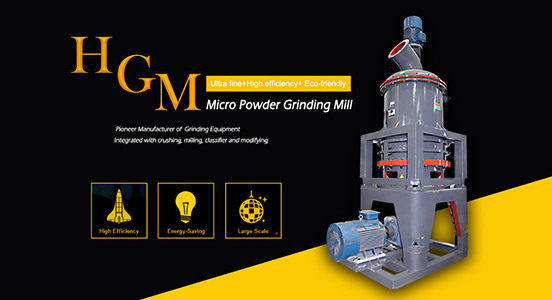
For 800–3000 mesh high-end powder, our HGM series ultrafine ring roller mills are the ideal choice.They combine multi-roller grinding with high-precision air classification.
Finished particle size adjusts freely within the range. Narrow particle size distribution meets strict filler and coating standards.
Compared to jet mills and ball mills, HGM mills use 30–40% less energy per ton.
They also have smaller footprint and lower installation cost.
They work perfectly for calcite, limestone, talc, wollastonite and similar minerals.
4.4Supporting systems and automation
Every CLIRIK line comes with matched pulse dust collection.The whole system runs under negative pressure. Dust emission stays well below national standards.
Workshop environment stays clean.
We also equip PLC control cabinets for the full line.
Operators adjust feed rate, classifier speed and fan pressure on the touch screen.
Automatic control reduces manual error. It keeps every batch of powder consistent.
4.5One-stop service
We provide full process design, equipment manufacturing, on-site installation and operator training.Our technical team supports you from project planning to stable production.
Whether you need a simple coarse powder line or a full ultrafine GCC plant, we have the matching solution.
Coarse grinding and fine grinding are two completely different production stages.
Coarse crushing breaks big ore into small pieces. Fine and ultrafine grinding creates high-value functional powder.
Each stage needs its own equipment and process design.
CLIRIK covers the full production chain. Jaw crushers and impact crushers handle front-end size reduction.
CLRM roller mills produce medium-fine general filler powder. HGM ultrafine mills deliver high-end 800–3000 mesh product. One supplier, one consistent solution.
If you are planning a new powder plant or upgrading an existing line, contact our technical team.
We will recommend the right equipment combination for your material, fineness and output target.
FAQ
Q1: What is the difference between crushing and grinding?
Crushing reduces large ore lumps to smaller pieces, usually millimeter level.Grinding produces finer powder down to micron or sub-micron level. Crushing comes first, grinding follows.
Q2: Which mill is best for 325 mesh calcium carbonate?
A CLRM series Raymond roller mill works perfectly for 200–400 mesh powder. It offers stable output, low cost and reliable operation.Q3: What equipment makes 1250 mesh ultrafine powder?
HGM series ultrafine ring roller mills handle 800–3000 mesh powder efficiently.They use much less energy than jet mills for the same fineness.
Q4: Can one mill produce both coarse and fine powder?
Within a certain range, yes. You adjust classifier speed to change fineness.But a mill designed for coarse powder cannot reach ultrafine level. Match the mill to your main target fineness.
Q5: Is wet grinding better than dry grinding?
It depends on your product. Wet grinding achieves finer size and narrower distribution.But it requires drying afterwards and costs more. Dry grinding fits most industrial mineral filler products.
Q6: Does CLIRIK provide full production lines?
Yes. We offer jaw crushers, mills, classifiers, dust collectors, packaging systems and full automation.We design the whole line based on your specific requirements.
Q7: How much does a powder production line cost?
Price varies a lot by capacity, fineness and automation level.Contact our team with your material, output and target fineness. We will give you a detailed quotation.
Related Newsmore >>
- 6 Common Raymond Mill Failures After Long-Term Operation2026-11-24
- CLIRIK Advances Overseas Grinding Mill Projects Steadily2026-11-23
- Coarse vs Fine Powder Grinding: Methods, Equipment | CLIRIK Solution2026-11-19
- How to Set Up a Ground Calcium Carbonate (GCC) Grinding Plant2026-11-17
- CLIRIK Concludes CHINACOAT 2026 and Welcomes Your Visit to Factory2026-11-16
- Industrial Transformer Selection for Powder Grinding Lines | HGM Solution2026-11-12