Zeolite Ultrafine Grinding: Common Pain Points & HGM Mill Solution for Project
Source:clirikb
Posted:2026-11-04
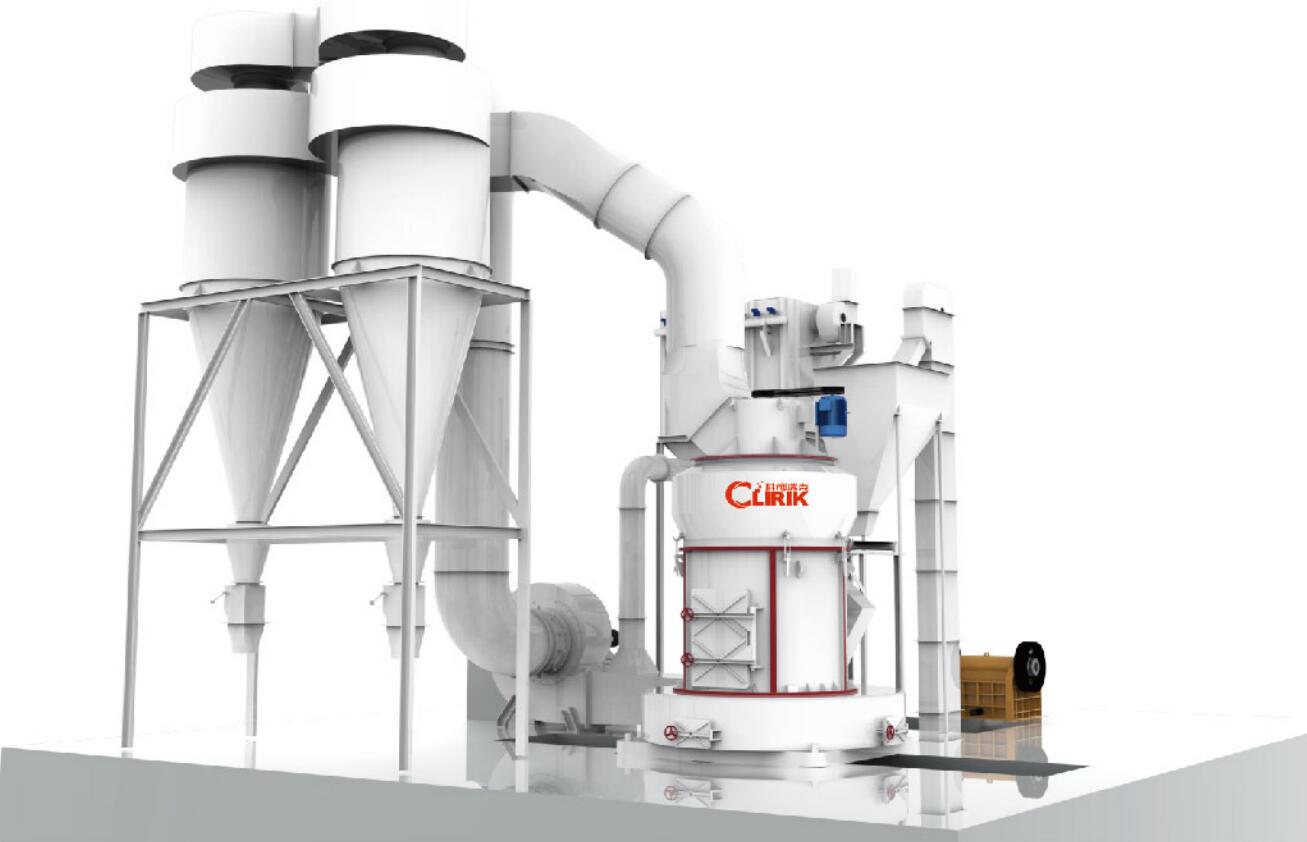
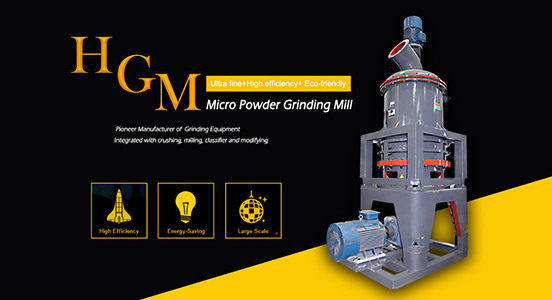
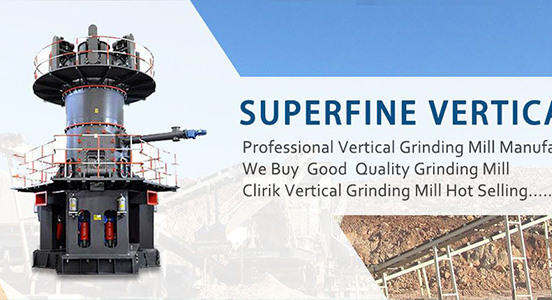
We recently completed installation of an HGM125 ultrafine ring roller mill at a zeolite project in Hebei.
The line will soon enter trial production with material feed.This customer enters zeolite deep processing for the first time.
They target mid-to-high end functional powder markets.
They chose our equipment after multiple rounds of market research and on-site comparison.
This article uses the project as an example.
It breaks down common pain points in zeolite ultrafine grinding.It also explains how our HGM mill solves each issue one by one.

It has strong adsorption and ion exchange capacity. Ultrafine processing unlocks more of its functional value.
Ultrafine zeolite powder sees use in many fields. Water treatment plants use it to remove heavy metals and ammonia nitrogen.
Feed mills add it to bind toxins and support animal gut health. New material industries use it as functional fillers.
Soil improvement projects use it to retain water and slow-release nutrients.
All these applications rely on intact crystal pores. Damaged structure means lost function.
That makes grinding quality extremely important. Ordinary impact mills often fail to meet this requirement.
These issues push up production cost and hurt product quality.
Ball mills have very low efficiency at this fineness level. Unit power cost becomes unacceptable.
Many small plants cannot afford ultrafine zeolite production.

Secondary clumps form quickly. These clumps get sent back for re-grinding.
Circulating load keeps climbing. Net output drops. Final product still contains hidden agglomerates.
This layer cushions grinding force. Efficiency drops noticeably over time. Cyclones and pipes also clog gradually. System pressure rises. Output falls further.
Fine metal debris mixes into the product. Purity drops. High-grade zeolite for feed or new materials cannot accept this.

Long-term inhalation harms the respiratory system. Workshop dust also violates environmental regulations.

Micro pores get crushed or blocked. Adsorption and ion exchange performance drops.
You get fine powder, but it loses its core value. This is the most easily overlooked problem.

It does not use violent impact like ball mills. It preserves the crystal lattice and pore structure of zeolite.
Adsorption performance stays intact. This matches the customer's new material positioning perfectly.
Only truly coarse particles return for re-grinding. Short residence time inside the mill reduces over-grinding.
Less super-fine dust means less agglomeration. Final product has uniform particle size.
Powder does not settle on duct walls easily. The grinding chamber runs under stable negative pressure.
Less material sticks to rollers and rings. Cyclones also have anti-stick design. Daily cleaning workload drops a lot.
For high-purity requirements, we offer ceramic composite rollers and rings.
Ceramic parts wear very slowly. They release almost no metal debris. Product purity stays high.
It meets feed and new material grade requirements.
Multi-stage pulse dust collection handles exhaust air. Almost no dust leaks into the workshop.
Worker health is protected. Environmental compliance becomes easy.
Grinding efficiency is much higher than ball mills.
Unit power consumption drops by 30–40% at the same fineness. The Hebei project targets 1250 mesh product.
The line delivers 3–5 tons per hour stably. Energy cost stays well within budget.
Fineness covers 200 to 2500 mesh. The customer starts with 1250 mesh as main product.
They can move to finer grades later without buying new equipment.
This leaves enough room for business expansion.

The customer chose a flexible procurement plan.
They bought only four core units: main mill, classifier, fan and control cabinet.
They sourced the dust collection system locally.
This keeps core grinding quality under control. It also saves initial investment.
Our installation team reserved standard connection interfaces. The local dust system connects smoothly.
Our installation team followed standard procedures on site. They first re-measured the foundation.
They checked dimensions, levelness and load bearing. They leveled local deviations.
Horizontal error stayed within millimeter range. This prevents excessive vibration during later operation.
Then they lifted and positioned the main unit. They adjusted horizontal and vertical position repeatedly.

They calibrated body verticality and base levelness. They tightened all fasteners after confirmation.
Then they assembled classifier, drive system, fan and control cabinet.
They checked every installation gap.They tested every flange seal.
They tightened every bolt to standard torque. They paid special attention to classifier coaxiality.
They adjusted it repeatedly to ensure stable impeller rotation.
Electrical wiring was laid out neatly.
All lines followed insulation and protection rules.
Control cabinet wiring was tidy and clearly labeled. The whole installation process advanced with zero hidden risks.

Zeolite ultrafine processing has clear technical barriers.
Traditional equipment struggles to balance output, quality and energy cost.
Our HGM series mills solve these pain points systematically.
They protect crystal structure while delivering stable output.
They keep energy cost and dust emission low. The Hebei project is another practical case of this solution.
If you plan a zeolite or other functional mineral grinding project, contact our technical team.
We can recommend the right mill model and configuration for your needs.
The line will soon enter trial production with material feed.This customer enters zeolite deep processing for the first time.
They target mid-to-high end functional powder markets.
They chose our equipment after multiple rounds of market research and on-site comparison.
This article uses the project as an example.
It breaks down common pain points in zeolite ultrafine grinding.It also explains how our HGM mill solves each issue one by one.
1.Zeolite Properties and Main Applications
Zeolite is a volcanic aluminosilicate mineral. It has a porous crystal lattice structure.It has strong adsorption and ion exchange capacity. Ultrafine processing unlocks more of its functional value.
Ultrafine zeolite powder sees use in many fields. Water treatment plants use it to remove heavy metals and ammonia nitrogen.
Feed mills add it to bind toxins and support animal gut health. New material industries use it as functional fillers.
Soil improvement projects use it to retain water and slow-release nutrients.
All these applications rely on intact crystal pores. Damaged structure means lost function.
That makes grinding quality extremely important. Ordinary impact mills often fail to meet this requirement.
2.Six Common Pain Points in Zeolite Ultrafine Grinding
Traditional grinding methods run into six recurring problems with zeolite.These issues push up production cost and hurt product quality.
2.1Energy cost spikes exponentially
Grinding energy rises sharply as target particle size shrinks. Pushing zeolite to 1250 mesh or finer takes huge power input.Ball mills have very low efficiency at this fineness level. Unit power cost becomes unacceptable.
Many small plants cannot afford ultrafine zeolite production.
2.2Fine particles re-agglomerate
Ultrafine zeolite has very high surface energy. Particles stick together spontaneously.Secondary clumps form quickly. These clumps get sent back for re-grinding.
Circulating load keeps climbing. Net output drops. Final product still contains hidden agglomerates.
2.3Sticking and clogging
Fine zeolite powder sticks easily to chamber walls and ducts. A packed powder layer builds up on grinding surfaces.This layer cushions grinding force. Efficiency drops noticeably over time. Cyclones and pipes also clog gradually. System pressure rises. Output falls further.
2.4Metal contamination from wear
Traditional impact mills use steel grinding media. Steel balls and liners wear down during operation.Fine metal debris mixes into the product. Purity drops. High-grade zeolite for feed or new materials cannot accept this.
2.5Dust and health risks
Ultrafine zeolite powder is extremely light. It escapes easily from ordinary equipment. Workers inhale fine dust.Long-term inhalation harms the respiratory system. Workshop dust also violates environmental regulations.
2.6Crystal structure damage
Violent impact grinding can break zeolite's crystal lattice. Part of the structure turns amorphous.Micro pores get crushed or blocked. Adsorption and ion exchange performance drops.
You get fine powder, but it loses its core value. This is the most easily overlooked problem.
3.How Our HGM125 Mill Solves These Problems
Our HGM125 mill addresses each of these pain points directly. It is the core equipment of this Hebei zeolite project.
3.1Roller grinding protects crystal structure
The mill uses multiple grinding rollers rolling inside a grinding ring. Force is soft and uniform.It does not use violent impact like ball mills. It preserves the crystal lattice and pore structure of zeolite.
Adsorption performance stays intact. This matches the customer's new material positioning perfectly.
3.2Built-in classifier reduces agglomeration
The mill has a built-in high-precision turbine classifier. Qualified fine powder leaves the system immediately.Only truly coarse particles return for re-grinding. Short residence time inside the mill reduces over-grinding.
Less super-fine dust means less agglomeration. Final product has uniform particle size.
3.3Optimized air path reduces sticking
The system uses optimized air duct design. Airflow velocity stays steady in every section.Powder does not settle on duct walls easily. The grinding chamber runs under stable negative pressure.
Less material sticks to rollers and rings. Cyclones also have anti-stick design. Daily cleaning workload drops a lot.
3.4Optional ceramic parts for high purity
Standard configuration uses high-chrome alloy wear parts.For high-purity requirements, we offer ceramic composite rollers and rings.
Ceramic parts wear very slowly. They release almost no metal debris. Product purity stays high.
It meets feed and new material grade requirements.
3.5Fully sealed negative pressure controls dust
The entire line runs under negative pressure. All flanges and access doors use sealed gaskets.Multi-stage pulse dust collection handles exhaust air. Almost no dust leaks into the workshop.
Worker health is protected. Environmental compliance becomes easy.
3.6High efficiency cuts energy cost
Centrifugal roller grinding transfers energy directly to particles.Grinding efficiency is much higher than ball mills.
Unit power consumption drops by 30–40% at the same fineness. The Hebei project targets 1250 mesh product.
The line delivers 3–5 tons per hour stably. Energy cost stays well within budget.
4.Project Configuration and Installation Details
The mill supports wide fineness adjustment. Frequency control changes classifier speed on the touch screen.Fineness covers 200 to 2500 mesh. The customer starts with 1250 mesh as main product.
They can move to finer grades later without buying new equipment.
This leaves enough room for business expansion.
The customer chose a flexible procurement plan.
They bought only four core units: main mill, classifier, fan and control cabinet.
They sourced the dust collection system locally.
This keeps core grinding quality under control. It also saves initial investment.
Our installation team reserved standard connection interfaces. The local dust system connects smoothly.
Our installation team followed standard procedures on site. They first re-measured the foundation.
They checked dimensions, levelness and load bearing. They leveled local deviations.
Horizontal error stayed within millimeter range. This prevents excessive vibration during later operation.
Then they lifted and positioned the main unit. They adjusted horizontal and vertical position repeatedly.
They calibrated body verticality and base levelness. They tightened all fasteners after confirmation.
Then they assembled classifier, drive system, fan and control cabinet.
They checked every installation gap.They tested every flange seal.
They tightened every bolt to standard torque. They paid special attention to classifier coaxiality.
They adjusted it repeatedly to ensure stable impeller rotation.
Electrical wiring was laid out neatly.
All lines followed insulation and protection rules.
Control cabinet wiring was tidy and clearly labeled. The whole installation process advanced with zero hidden risks.
Zeolite ultrafine processing has clear technical barriers.
Traditional equipment struggles to balance output, quality and energy cost.
Our HGM series mills solve these pain points systematically.
They protect crystal structure while delivering stable output.
They keep energy cost and dust emission low. The Hebei project is another practical case of this solution.
If you plan a zeolite or other functional mineral grinding project, contact our technical team.
We can recommend the right mill model and configuration for your needs.
FAQ
Q1: Why is zeolite hard to grind to ultrafine size?
Zeolite has high surface energy when fine. It agglomerates easily. Violent grinding also damages its porous crystal structure and reduces adsorption function.Q2: How does HGM mill protect zeolite crystal structure?
HGM uses centrifugal roller grinding. Force is uniform and gentle. It does not use violent impact like ball mills. Pore structure stays largely intact.Q3: What fineness range does HGM125 cover?
200 to 2500 mesh. Classifier speed adjusts via frequency control. The Hebei project currently runs at 1250 mesh with 3–5 tph output.Q4: Can HGM produce high-purity zeolite powder?
Yes. With optional ceramic composite rollers and rings, metal contamination is almost eliminated. It meets feed and new material grade requirements.Q5: Does HGM mill have dust leakage problem?
No. The whole line runs under fully sealed negative pressure. Multi-stage pulse dust collection handles exhaust air. Workshop dust level stays very low.Q6: How much energy does HGM save compared to ball mills?
At the same ultrafine fineness, HGM uses 30–40% less power per ton of product. The gap grows larger as target fineness increases.Related Newsmore >>
- Zeolite Ultrafine Grinding: Common Pain Points & HGM Mill Solution for Project2026-11-04
- GCC vs PCC: Key Differences, Applications & Equipment Guide2026-11-03
- CLIRIK Completes Shipment of HGM100 Ring Roller Mill and Powder Surface Modifier to India2026-11-02
- CLIRIK Ships Two Sets of HGM125 Ultrafine Grinding Mills to India & South Africa2026-10-26
- Open vs Closed Circuit Raymond Mill: Design Differences & CLRM Series Solution2026-10-22
- CLIRIK Welcomes Global Customers for On-Site Factory Inspection & Technical Exchange2026-10-19