Open-Circuit vs Closed-Circuit Raymond Mill Lines
Source:clirikb
Posted:2026-09-17
If you work in mineral powder processing, you have probably heard terms like "two-stage one closed-circuit" and "three-stage one open-circuit."
Many plant owners mix them up. They confuse crushing stages with grinding circuit logic. This matters a lot.
The choice directly affects powder fineness, output and production cost.
This article breaks down these concepts in plain language. It compares open-circuit and closed-circuit Raymond mill lines.
It helps you choose the right process for your project.
Two-stage process: primary crushing + Raymond mill grinding. The layout is simple. Small and medium powder plants use it. They usually produce 200–400 mesh coarse powder.
Three-stage process: coarse crushing + secondary crushing + Raymond mill grinding. Raw material gets pre-treated. The feed into the mill is more uniform. It reduces the load on the Raymond mill main unit. Large-scale plants prefer this for stable production.
Four-stage process: adds ultra-fine crushing pre-treatment. It is rare in Raymond mill lines. Only extremely hard ore deep-processing uses it.
Simple rule: more stages mean better pre-treated feed. The Raymond mill works with less pressure. But equipment investment and line complexity go up.
Note: in Raymond mill systems, "stages" mostly refer to front-end crushing pre-treatment. The core product grinding still relies on the Raymond mill main unit plus classification system.
This is similar to aggregate crusher stage concepts, but the final goal is powder, not crushed stone.
The key question for open vs closed circuit is simple: does the system send coarse particles back to the mill for re-grinding?
Pre-screening of raw material does not count as a closed loop. It is just feed pre-treatment.
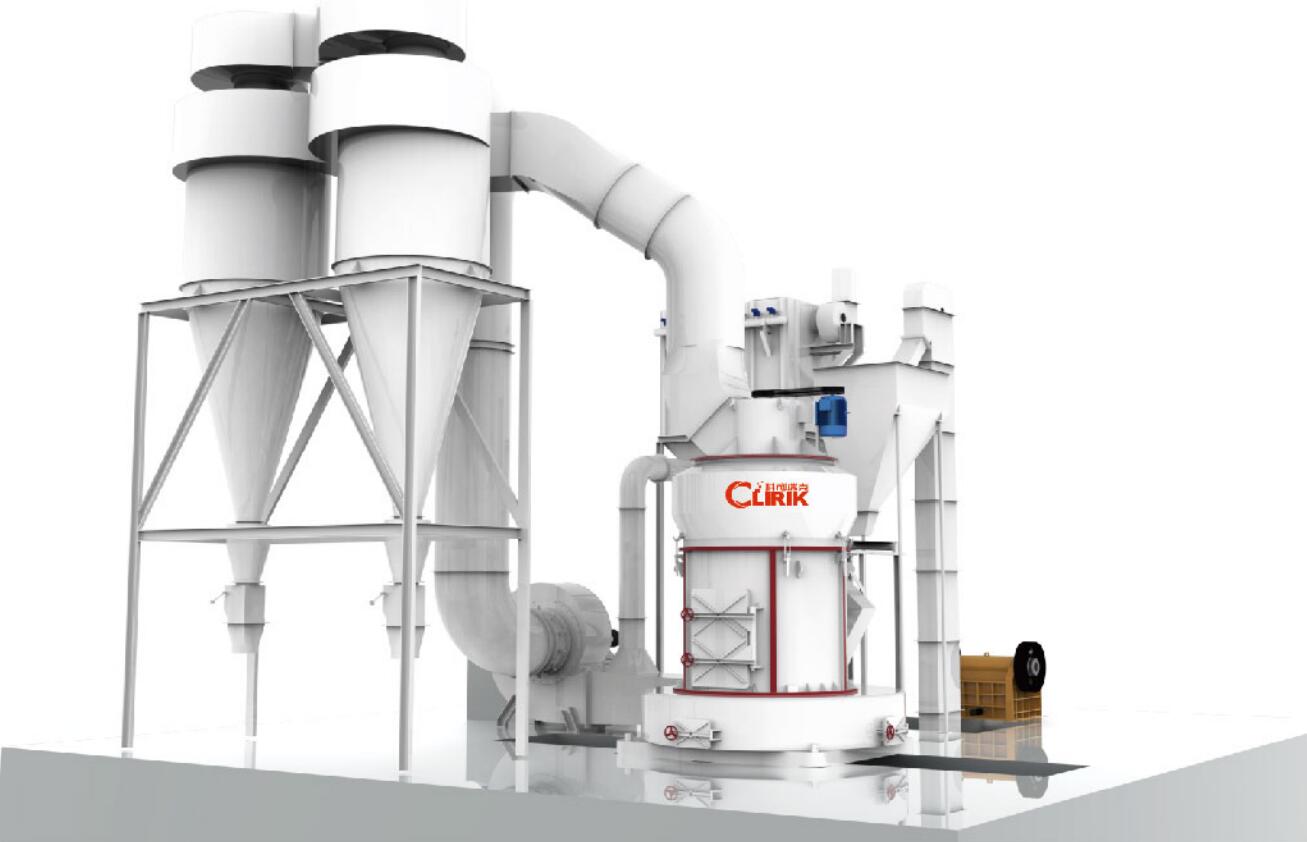
Flow path: raw silo → pre-screening → Raymond mill → classifier → finished powder collection. No coarse return pipe. Coarse rejects discharge directly out.
Fine powder becomes finished product. Coarse particles go back through pipes and bucket elevators to the mill inlet.
They get re-ground. The loop keeps running.

Flow path: raw silo → pre-screening → Raymond mill → classifier. Qualified powder collects. Rejected coarse material returns to the Raymond mill feed end via return equipment. Cycle repeats.
The finer your target mesh, the more return material cycles. Net output of the whole system drops.
If return particle size does not match mill discharge range, the loop can fluctuate and become unstable.
They mainly target limestone, calcite and barite at 200–400 mesh.
How it works: raw stone gets simple crushing. It goes into the Raymond mill. After classification, coarse particles return to the mill for re-grinding.
Best fit: small and medium powder plants. General building fillers, rubber fillers, plastic fillers. 200–325 mesh coarse powder. Balances quality and project investment. This is the most common Raymond mill process.

Line composition: coarse crushing + secondary crushing + Raymond mill grinding + closed-loop circulation.
How it works: raw material goes through two crushing stages. Mill feed size stays stable and uniform. It reduces wear on Raymond mill main parts. After grinding, classification sends coarse powder back for continuous re-grinding.
Best fit: large-scale powder plants. Bulk stable production of 325–400 mesh coarse powder. Higher ore hardness. Strict requirements on powder purity and particle size stability.
How it works: raw material gets two-stage crushing. It enters the Raymond mill for single-pass grinding and classification. Coarse rejects discharge directly. No re-grinding.
Best fit: loose powder size requirements. Maximum output and low cost priority. Road base materials, low-grade fillers. Around 200 mesh coarse powder.
The table shows the trade-off clearly. Open circuit saves money and runs simpler. Closed circuit gives better powder quality. You pick based on your product grade and budget.
Low budget, low-grade filler, 200 mesh coarse powder, tolerant of coarse rejects: choose three-stage one open-circuit. Fast installation. Simple operation. Low running cost.
Small to medium plant, 200–325 mesh general filler, balance cost and quality: choose two-stage one closed-circuit. This is the mature industry standard. Most plants start here.
Large plant, hard ore, bulk production of 325–400 mesh, customers require tight size stability: choose three-stage one closed-circuit. Higher investment but stable quality for high-end fillers.
Do not just look at the main mill nameplate capacity. Closed-circuit circulating load takes away net output. You must calculate real net output, not just gross capacity.
Finer target means bigger circulating load. In a closed-circuit system, the higher the mesh number (finer powder), the more material cycles back. Net system throughput drops. Always size the line for net output at your target fineness, not at the mill's maximum rated capacity.
Open circuit is not all bad. If your raw material has lots of impurities or high moisture, an open circuit avoids repeated impurity circulation. It reduces the risk of material buildup and blockage inside the mill.
Control circulating load reasonably. Raymond mills producing 200–400 mesh coarse powder do not need extremely high circulating loads like ultra-fine vertical mills. Keep circulation in a sensible range. This reduces excessive wear on grinding rollers and rings.
Match return size to mill discharge. If return particles are much smaller than mill discharge range, the loop can become unstable. Work with your equipment supplier on the classification speed and return ratio.
Plan maintenance access. Closed-circuit lines have more pipes, elevators and valves. Build enough maintenance space around them. This saves headaches during later upkeep.
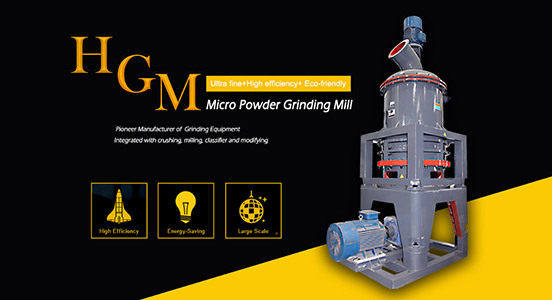
HGM lines cover 800–2500 mesh consistently. They produce narrow particle size distribution with stable D97 control. Unit power consumption stays 35–40% lower than conventional ball mills at the same fineness. The modular design supports parallel multi-line setup.
For 200–400 mesh coarse powder, Raymond mill lines still make economic sense. For 800 mesh and finer functional fillers, HGM ultrafine mills are the better choice. You can also use HGM's high-efficiency classification system to retrofit existing Raymond mills and lift product grade.
Many plant owners mix them up. They confuse crushing stages with grinding circuit logic. This matters a lot.
The choice directly affects powder fineness, output and production cost.
This article breaks down these concepts in plain language. It compares open-circuit and closed-circuit Raymond mill lines.
It helps you choose the right process for your project.
1.Basic Idea: What Do "Stages" Mean?
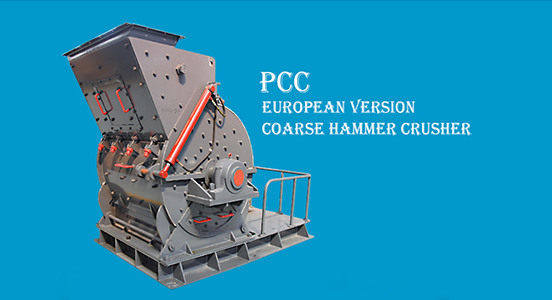
A complete Raymond mill line includes crushing, grinding and classification. Each independent crushing or grinding step is called a "stage." Industry talk about two-stage or three-stage refers to how many crushing stages you use before grinding.Two-stage process: primary crushing + Raymond mill grinding. The layout is simple. Small and medium powder plants use it. They usually produce 200–400 mesh coarse powder.
Three-stage process: coarse crushing + secondary crushing + Raymond mill grinding. Raw material gets pre-treated. The feed into the mill is more uniform. It reduces the load on the Raymond mill main unit. Large-scale plants prefer this for stable production.
Four-stage process: adds ultra-fine crushing pre-treatment. It is rare in Raymond mill lines. Only extremely hard ore deep-processing uses it.
Simple rule: more stages mean better pre-treated feed. The Raymond mill works with less pressure. But equipment investment and line complexity go up.
Note: in Raymond mill systems, "stages" mostly refer to front-end crushing pre-treatment. The core product grinding still relies on the Raymond mill main unit plus classification system.
This is similar to aggregate crusher stage concepts, but the final goal is powder, not crushed stone.
2.Core Concept: Open Circuit vs Closed Circuit
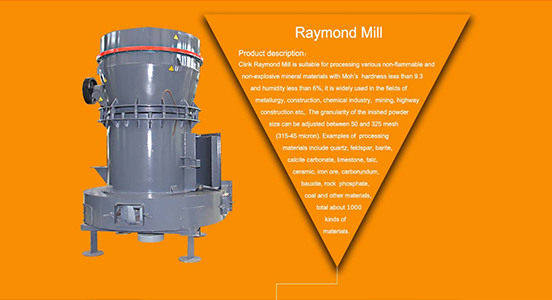
Raymond mills grind material by pressing grinding rollers against grinding rings. A classifier sorts the powder.The key question for open vs closed circuit is simple: does the system send coarse particles back to the mill for re-grinding?
Pre-screening of raw material does not count as a closed loop. It is just feed pre-treatment.
2.1Open-Circuit Grinding Flow
In an open-circuit line, material enters the Raymond mill. The classifier sorts it. Qualified powder goes straight to collection. Coarse particles do not return to the mill. Material passes through the system only once. You may add pre-screening before the mill to remove fine material from feed.Flow path: raw silo → pre-screening → Raymond mill → classifier → finished powder collection. No coarse return pipe. Coarse rejects discharge directly out.
Open-circuit pros:
- Fewer machines
- Simpler line layout
- Fewer dust emission points
- Lower equipment investment
- Easier maintenance
- Fewer failure points
Open-circuit cons:
- Wider particle size distribution
- Higher coarse reject content
- Lower efficiency when producing finer powder
- Risk of oversized particles in finished product
2.2Closed-Circuit Grinding Flow
In a closed-circuit line, the Raymond mill works with a check classification loop. Material gets ground and classified.Fine powder becomes finished product. Coarse particles go back through pipes and bucket elevators to the mill inlet.
They get re-ground. The loop keeps running.
Flow path: raw silo → pre-screening → Raymond mill → classifier. Qualified powder collects. Rejected coarse material returns to the Raymond mill feed end via return equipment. Cycle repeats.
Closed-circuit pros:
- Tighter finished particle size control
- Fewer coarse particles
- Narrower particle size distribution
- Better powder quality stability
- Suitable for high-standard filler production
Closed-circuit cons:
- More equipment (elevators, pipes, classifier)
- More complex line layout
- Higher investment
- Main mill carries more load
- Higher power consumption
The finer your target mesh, the more return material cycles. Net output of the whole system drops.
If return particle size does not match mill discharge range, the loop can fluctuate and become unstable.
3.Three Main Process Configurations for Raymond Mill Lines
Combining front-end stages and grinding circuit, powder projects commonly use three setups.They mainly target limestone, calcite and barite at 200–400 mesh.
3.1Two-Stage One Closed-Circuit (Raymond Mill)
Line composition: one crushing stage + Raymond mill grinding + closed-loop classification return.How it works: raw stone gets simple crushing. It goes into the Raymond mill. After classification, coarse particles return to the mill for re-grinding.
Best fit: small and medium powder plants. General building fillers, rubber fillers, plastic fillers. 200–325 mesh coarse powder. Balances quality and project investment. This is the most common Raymond mill process.
3.2Three-Stage One Closed-Circuit (Raymond Mill)
Line composition: coarse crushing + secondary crushing + Raymond mill grinding + closed-loop circulation.
How it works: raw material goes through two crushing stages. Mill feed size stays stable and uniform. It reduces wear on Raymond mill main parts. After grinding, classification sends coarse powder back for continuous re-grinding.
Best fit: large-scale powder plants. Bulk stable production of 325–400 mesh coarse powder. Higher ore hardness. Strict requirements on powder purity and particle size stability.
3.3Three-Stage One Open-Circuit (Raymond Mill)
Line composition: coarse crushing + secondary crushing + open-circuit Raymond mill grinding. Only front-end pre-screening. No coarse return loop.How it works: raw material gets two-stage crushing. It enters the Raymond mill for single-pass grinding and classification. Coarse rejects discharge directly. No re-grinding.
Best fit: loose powder size requirements. Maximum output and low cost priority. Road base materials, low-grade fillers. Around 200 mesh coarse powder.
4.Open vs Closed Circuit: Side-by-Side Comparison
Here is a direct comparison of key factors. Use this table as a quick reference.| Factor | Open-Circuit Raymond Mill | Closed-Circuit Raymond Mill |
| Equipment count | Fewer | More |
| Line complexity | Simple | More complex |
| Initial investment | Lower | Higher |
| Fineness control | Loose, single-pass | Tight, multiple re-grinds |
| Particle size distribution | Wide | Narrow |
| Coarse reject in product | Higher | Lower |
| Net output at fine mesh | Drops fast | Drops with circulating load |
| Power consumption per ton | Lower | Higher |
| Maintenance | Simple | More involved |
| Best fineness range | 200–325 mesh | 200–400 mesh with tighter control |
| Typical application | Low-grade fillers, road base | Building fillers, plastic/rubber fillers |
5.How to Choose the Right Process
Pick the process that matches your situation. Here is a simple decision path.Low budget, low-grade filler, 200 mesh coarse powder, tolerant of coarse rejects: choose three-stage one open-circuit. Fast installation. Simple operation. Low running cost.
Small to medium plant, 200–325 mesh general filler, balance cost and quality: choose two-stage one closed-circuit. This is the mature industry standard. Most plants start here.
Large plant, hard ore, bulk production of 325–400 mesh, customers require tight size stability: choose three-stage one closed-circuit. Higher investment but stable quality for high-end fillers.
Do not just look at the main mill nameplate capacity. Closed-circuit circulating load takes away net output. You must calculate real net output, not just gross capacity.
6.Practical Tips for Open and Closed Circuit Lines
Finer target means bigger circulating load. In a closed-circuit system, the higher the mesh number (finer powder), the more material cycles back. Net system throughput drops. Always size the line for net output at your target fineness, not at the mill's maximum rated capacity.
Open circuit is not all bad. If your raw material has lots of impurities or high moisture, an open circuit avoids repeated impurity circulation. It reduces the risk of material buildup and blockage inside the mill.
Control circulating load reasonably. Raymond mills producing 200–400 mesh coarse powder do not need extremely high circulating loads like ultra-fine vertical mills. Keep circulation in a sensible range. This reduces excessive wear on grinding rollers and rings.
Match return size to mill discharge. If return particles are much smaller than mill discharge range, the loop can become unstable. Work with your equipment supplier on the classification speed and return ratio.
Plan maintenance access. Closed-circuit lines have more pipes, elevators and valves. Build enough maintenance space around them. This saves headaches during later upkeep.
7.Where HGM Fits In
If your project targets 800–2500 mesh ultrafine powder, a traditional Raymond mill alone will not get you there reliably. The HGM ultrafine ring roller mill uses a built-in high-precision dynamic classifier. It runs a closed-circuit grinding process by design. Qualified fine powder exits the system quickly. Coarse material returns automatically.HGM lines cover 800–2500 mesh consistently. They produce narrow particle size distribution with stable D97 control. Unit power consumption stays 35–40% lower than conventional ball mills at the same fineness. The modular design supports parallel multi-line setup.
For 200–400 mesh coarse powder, Raymond mill lines still make economic sense. For 800 mesh and finer functional fillers, HGM ultrafine mills are the better choice. You can also use HGM's high-efficiency classification system to retrofit existing Raymond mills and lift product grade.
FAQ
Q1: What is the difference between open circuit and closed circuit in a Raymond mill line?
In open circuit, material passes through the mill once. Coarse rejects discharge without re-grinding. In closed circuit, coarse particles return to the mill for repeated grinding. Closed circuit gives tighter particle size control but costs more.Q2: Which process is best for a small 200–325 mesh powder plant?
Two-stage one closed-circuit Raymond mill is the most common choice. It balances product quality and investment. Small plants get reliable filler-grade powder without overspending.Q3: Does closed circuit always produce better powder?
Closed circuit produces narrower particle size distribution and fewer coarse particles. It is better for high-standard fillers. But it costs more and uses more power. If you make low-grade road base or 200 mesh coarse filler, open circuit may be more cost-effective.Q4: Why does closed-circuit output drop when I make finer powder?
Finer target means more material fails the classifier and returns to the mill. This circulating load takes up processing capacity. Net output of the whole line drops. Always calculate net output, not just main mill rated capacity.Q5: Is open circuit suitable for wet or dirty raw material?
Yes. Open circuit avoids repeated circulation of impurities and moisture. It reduces the risk of material buildup and blockage inside the mill. This can be a real advantage for feed with high impurity or moisture content.Q6: Can I upgrade an old Raymond mill line from open to closed circuit?
Many plants retrofit open-circuit Raymond mills by adding a high-efficiency classifier and return loop. This lifts fineness control and reduces coarse particles. The exact retrofit plan depends on your existing equipment condition.Q7: What fineness range is HGM better than Raymond mill for?
HGM ultrafine ring roller mills handle 800–2500 mesh. Raymond mills are more economical for 200–400 mesh coarse powder. For functional fillers at 1250 mesh and above, HGM delivers better quality and energy efficiency.Q8: How many stages should my crushing section have?
Two-stage crushing fits small plants and softer ores. Three-stage crushing suits large plants with harder ore and high output demand. More stages give more uniform mill feed but raise investment. Match the number of stages to ore hardness and your production scale.Related Newsmore >>
- CLIRIK Mid-Autumn Festival & National Day 2026 Holiday Notice2026-09-20
- Open-Circuit vs Closed-Circuit Raymond Mill Lines2026-09-17
- Grinding Barite for Oil Drilling: Why the Raymond Mill is the Industry Standard2026-09-16
- CLIRIK Exhibition Preview: Join Us at CHINACOAT & SFCHINA 2026 in Guangzhou2026-09-15
- What to Consider Before Replacing Your Old Mill?2026-09-10
- Intro Investing in a non-metallic mineral powder plant has become one of the most attractive opportu2026-09-10