Oyster Shell HGM Ultrafine Mill for Circular Economy
1. Global Circular Economy Policies Boost Oyster Shell Recycling – A Hot Overseas Track
Global coastal aquaculture produces tens of millions of tons of discarded oyster shells annually. Oyster shells are high-quality marine renewable resources, with over 90% natural calcium carbonate content, rich in calcium, magnesium, and other trace elements. They are brittle, low-hardness, and easy to process.Processed oyster shell powder has a wide range of uses: livestock and poultry feed calcium supplements, acid soil conditioners, eco-friendly paint fillers, and after calcination, pharmaceutical excipients and high-end daily chemical ingredients – offering diverse market applications.
Traditional landfill and random disposal not only waste renewable resources but also cause coastal accumulation and water pollution. Many countries now have strict regulations restricting arbitrary disposal of shellfish waste.
Global low-carbon economy and marine waste circular utilization policies are being implemented. The EU, Japan, South Korea, Southeast Asia, Australia, and other regions are actively supporting aquatic waste recycling projects.
Promoting oyster shell powder as a substitute for mined calcium carbonate reduces carbon emissions from mining while turning waste into treasure – making oyster shell recycling a popular green business opportunity overseas.
 From a material perspective, oyster shells have a Mohs hardness of 3-4, making them low-hardness brittle materials that are easy to grind. However, they contain trace organic matter, surface sediment, and are highly hygroscopic.
These characteristics place high demands on grinding equipment – common issues include roller sticking, clogging, and uneven fineness. Ordinary mills cannot adapt, making it difficult to produce high-quality powder that meets international standards.
The current overseas oyster shell processing market is polarised: low-end coarse powder is oversupplied with thin margins, while high-quality ultrafine powder above 800 mesh is in short supply and commands a premium. To capture the high-end overseas market, a dedicated oyster shell HGM Ultrafine Mill is the core key.
2. Why Choose HGM Ultrafine Mill for Oyster Shell Powder?

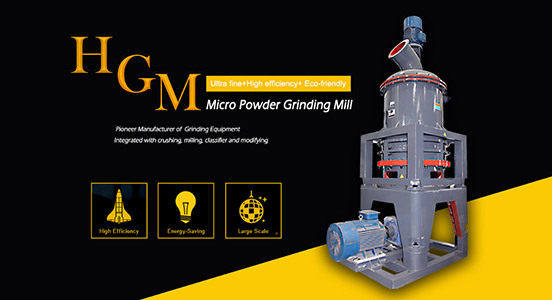
To address the specific characteristics of oyster shells and the high-value processing needs of overseas plants, CLIRIK's HGM Ultrafine Mill features targeted structural optimizations.
It is currently the most adaptable and cost-effective main equipment for global shellfish waste recycling projects, perfectly suited for small-to-medium and large-scale oyster shell powder production lines overseas.
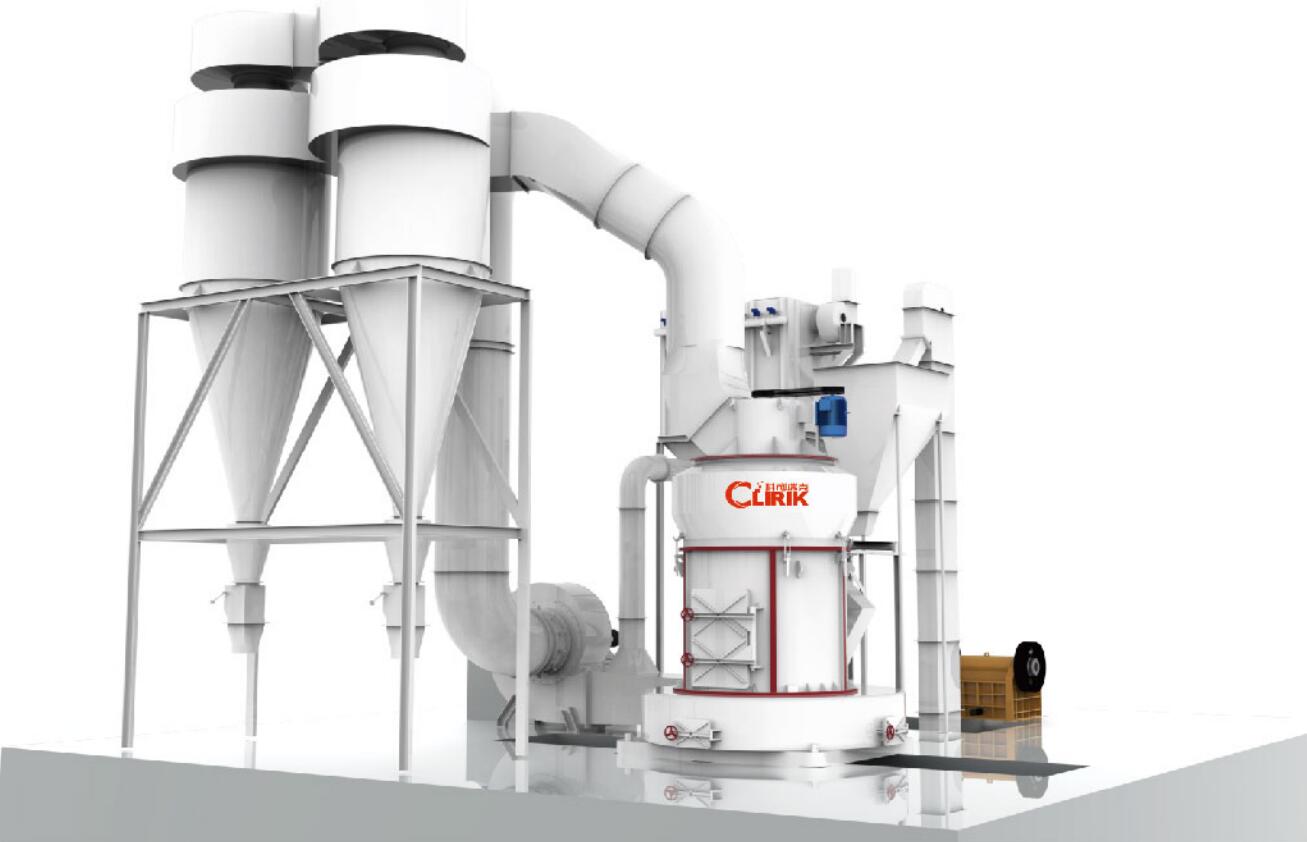
The HGM Ultrafine Mill adopts an integrated design of multi-roller ring pressing, centrifugal grinding, and classification. It precisely resolves common problems such as organic matter sticking, clogging, unstable fineness, and powder contamination, fully meeting overseas production standards and environmental compliance requirements.
2.1 Full Fineness Coverage – Unlocking All Oyster Shell Powder Markets
CLIRIK HGM Ultrafine Mill allows free adjustment of finished fineness from 200-3000 mesh, enabling one machine to produce all end products and meet diversified overseas order demands: HGM ultrafine mill
- 200-400 mesh (Feed/Agriculture): livestock calcium feed powder, acid soil conditioner calcium fertilizer – high volume, stable revenue;
- 400-1500 mesh (Industrial and Building Materials): eco-friendly interior wall shell coatings, plastic/rubber fillers, industrial calcium carbonate raw material – higher added value;
- 1200-3000 mesh (High-end Fine): calcined oyster superfine powder, pharmaceutical excipients, high-end daily chemical fillers – targeting overseas premium markets.
2.2 Targeted Solutions for Four Major Industry Pain Points in Oyster Shell Processing
The core issues that have troubled many overseas processors are completely avoided by the HGM Ultrafine Mill:- Anti-sticking and clogging: Optimized roller and ring structure, designed for organic matter – no sticking or classifier clogging, ensuring long-term stable operation;
- Uniform particle size: Built-in high-precision forced classification system produces a narrow particle size distribution, meeting import standards in Europe, the Americas, and Southeast Asia;
- Adaptable to both raw and calcined materials: Both raw oyster shells and calcined shells can be ground stably – one machine for two processes;
- Eco-friendly and compliant: Negative-pressure sealed production with low dust emission and noise, fully aligned with overseas environmental and low-carbon requirements.
2.3 High Cost-Effectiveness for Export Projects – Low Investment, High Returns
Compared with large-scale powder equipment, CLIRIK HGM Ultrafine Mill requires lower investment, smaller footprint, simpler maintenance, and stable uptime. No complex civil works needed – ideal for overseas start-ups and small-to-medium scale production lines.Compared with ordinary mills, it offers higher fineness ceiling and better powder quality, enabling mass production of high-value-added ultrafine oyster shell powder, effectively boosting overall project profitability.
3. Standard Oyster Shell HGM Ultrafine Mill Process Flow for Overseas Projects
A standardized production process tailored for global waste recycling projects – compliant, efficient, and stable output: production process
Raw oyster shells -> Sorting and cleaning -> Drying (moisture below 6%) -> Coarse crushing -> HGM Ultrafine Mill ultrafine grinding -> Precision classification -> Pulse dust collection -> Finished product packaging
Note: For pharmaceutical and high-end calcined oyster powder, add a calcination step after coarse crushing before feeding into the HGM Ultrafine Mill for better purity and fineness.
4. Common Pitfalls to Avoid in Overseas Oyster Shell Powder Projects
Many overseas projects fail not because of raw materials, but due to improper processes and wrong equipment selection. Three common mistakes:- Feeding wet shells directly: High moisture causes sticking, clogging, and impurity contamination, failing quality inspection. (Not recommended)
- Using ordinary mills for ultrafine powder: Limited fineness and uneven particle size make it impossible to fulfill premium orders, weakening competitiveness.
- Ignoring organic matter adaptability: Ordinary equipment cannot handle shellfish organics, leading to high failure rates and frequent downtime.
5. FAQ (High-Conversion Q&A for Export Sales)
Q1: Can the HGM Ultrafine Mill produce both coarse and ultrafine oyster shell powder? A1: Yes. CLIRIK HGM Ultrafine Mill allows fineness adjustment from 200-3000 mesh, covering all categories – feed, agriculture, coatings, and pharmaceuticals – with one machine for diversified overseas orders.Q2: Can wet waste oyster shells be processed directly? A2: Not recommended. Drying to below 6% moisture is required to effectively avoid sticking and clogging, ensuring product quality and long-term stable operation, while meeting overseas environmental standards.
Q3: Is calcined oyster shell suitable for HGM Ultrafine Mill? A3: Absolutely. Calcined shells are more brittle, and the HGM Ultrafine Mill produces uniform particle size with high fine powder recovery – the preferred choice for high-end calcined oyster powder processing.
Q4: Is this equipment suitable for small-scale overseas oyster shell processing plants? A4: Highly suitable. The HGM Ultrafine Mill offers moderate investment, simple operation, flexible capacity – the most cost-effective main machine for small-to-medium shellfish recycling projects overseas.
 6. Conclusion
Under the global circular economy wave, marine waste recycling has become a necessity. Standardized, high-fineness ultrafine oyster shell powder has strong market competitiveness overseas. Choosing the right dedicated HGM Ultrafine Mill and matching mature process is the core to project compliance, premium pricing, and market capture.
Shanghai CLIRIK Machinery Co., Ltd. has deep experience in the overseas powder equipment market, focusing on R&D and manufacturing of HGM Ultrafine Mill, with numerous successful oyster shell recycling project references. We can customize complete production lines based on customer raw material conditions, target fineness, capacity needs, and local regulations, providing equipment selection, process guidance, overseas installation, and after-sales service – one-stop support to help global customers achieve high-value marine waste recycling.
Related Newsmore >>
- CLIRIK Exhibition Preview: Join Us at CHINACOAT & SFCHINA 2026 in Guangzhou2026-09-15
- What to Consider Before Replacing Your Old Mill?2026-09-10
- Intro Investing in a non-metallic mineral powder plant has become one of the most attractive opportu2026-09-10
- Calcium Carbonate Masterbatch: What It Is and How to Use It2026-09-09
- CLIRIK Mid-Autumn Festival 2026 Holiday Preview2026-09-07
- Oyster Shell HGM Ultrafine Mill for Circular Economy2026-09-04