From Basalt to High-Value Products:Powder Processing Solutions for Fiber Cloth and Ultra-Fine Fiber
Source:yutao
Posted:2026-08-24
Introduction: One Rock, Two High-Value Routes
Basalt is one of the most abundant rocks on Earth, yet its value extends far beyond basic construction aggregate. Through advanced processing technology, this volcanic rock can be progressed into two high-valved products: Basaltic Fiber Cloth and Basaltic Fiber Powder.Although both products come from the same raw materials, they differ in their processing depth and have completely different requirements for grinding equipment. Fabric production requires coarse powder (80–200 mesh) to feed the melting furnace, while fiber powder production requires ultra-fine grinding (325–2500 mesh) to fully unlock its potential as a reinforcing filler.
This article simple introduces both production lines and focuses on the grinding equipment solutions that enable each stage to run efficiently and profitably.

1. Basaltic Fiber Cloth
1.1 Product Overview
Basaltic Fiber Cloth is woven from continuous filaments made by melting and drawing natural basalt. It is increasingly regarded as a sustainable alternative to fiberglass and a lower-cost substitute for carbon fiber. Its main characteristics include: tensile strength comparable to fiberglass; a continuous service temperature range of approximately -260°C to 650°C; resistance to acids, alkalis and salt solutions; and dielectric performance superior to fiberglass. Typical applications include aerospace, automotive, wind energy, building reinforcement and marine construction.
1.2 Production Process
The process chain is: raw ore → crushing → grinding (coarse powder) → high-temperature melting (1400°C–1600°C) → fiber drawing (platinum-rhodium bushing) → cooling → sizing application → winding → warping → weaving → finishing → finished fabric. The quality of the raw material grinding directly determines the stability of melting and fiber drawing.1.3 Grinding Equipment (First Grinding Stage)
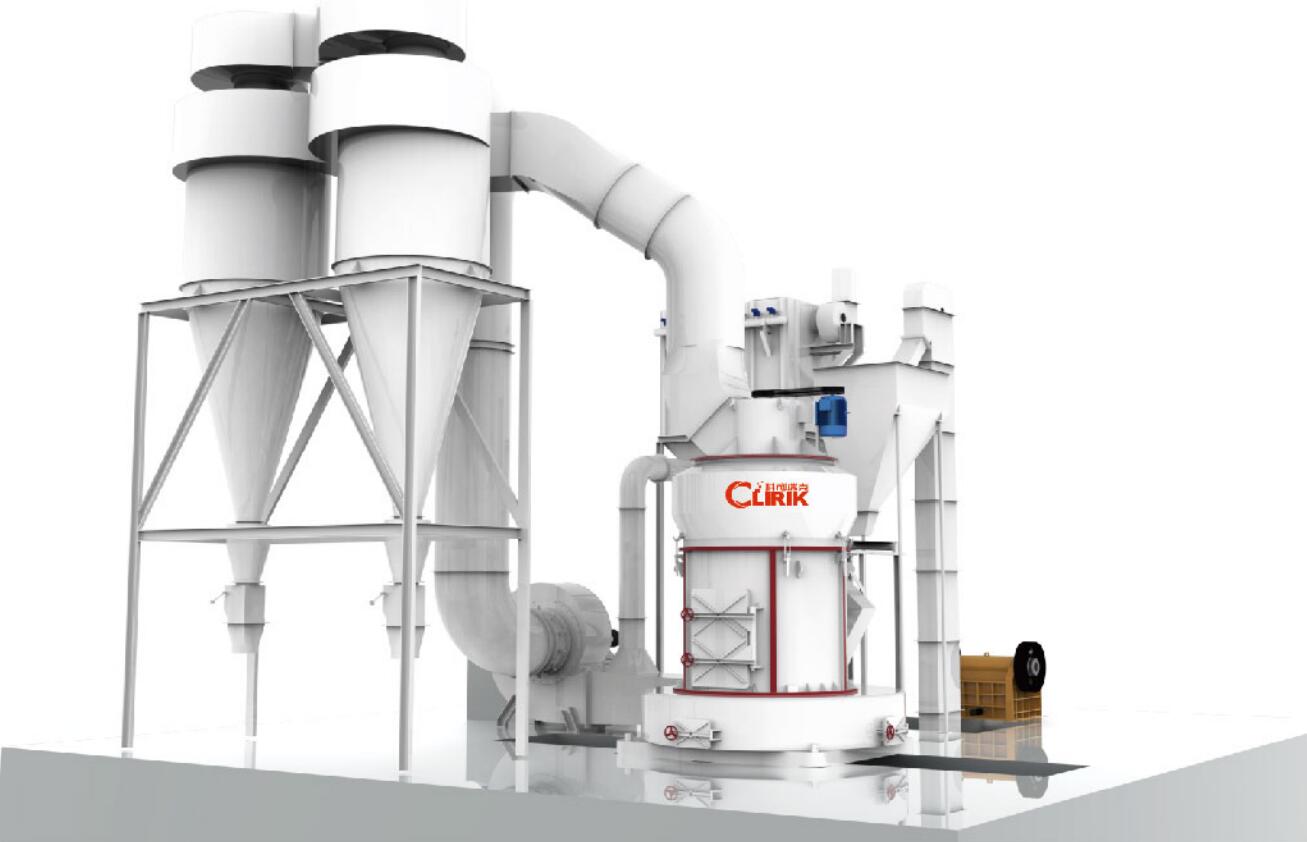
The fiber cloth production line only needs to grind the ore to 80–200 mesh coarse powder.Recommended equipment includes the CLIRIK CLRM Raymond Mill (reliable, economical, suited to medium-fine grinding) and the CLIRIK HGM Ring Roller Mill (wide range of fineness requirements, most versatile) . These Mills feature high output, 24/7 stable operation, low energy consumption per ton, minimal maintenance, and uniform particle size distribution.Taking 325 mesh as an example, a single Mill can achieve a capacity of 1–35 tons per hour, depending on the specific material composition.
2. Basalt Fiber Powder
2.1 Product Overview
Basalt fiber powder is a ultrafine powder produced by ultra-fine grinding of basalt fiber waste, which typically waste filament, chopped fiber, or weaving offcuts.It differs from ordinary basalt stone powder: its raw material has already undergone melting and drawing, retaining fiber reinforcement characteristics. At coarser particle sizes it preserves a certain aspect ratio, while combining the dispersibility and filling properties of a powder. It enables convert waste material into high-value product.
Key properties include high thermal stability (up to 650°C), chemical inertness, reinforcing capability, high specific surface area, and sustainability.
2.2 Production Process
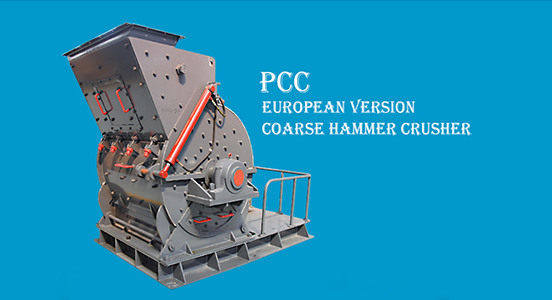
The process flow is as follows: fiber waste → primary crushing → secondary crushing → ultra-fine grinding (the core stage) → precision classification → collection → finished powder.Ultra-fine grinding must balance achieving the target fineness against avoiding over-grinding. And precision classification ensures a narrow particle size distribution and batch-to-batch consistency.
2.3 Grinding Equipment (Second Grinding Stage)
Finished powder fineness typically ranges from 325 to 2500 mesh (approximately 5–44 μm), depending on the target application. Recommended equipment includes: CLIRIK CLUM Vertical Mill (high efficiency, integrated classification, suitable for large-scale production), CLIRIK HGM Ring Roller Mill (wide range of fineness requirements, most versatile), and CLIRIK CLQM Air Classifier Mill (for sub-10 μm ultra-fine powder with a narrow particle size distribution).3. Why Choose CLIRIK Grinding Equipment
3.1 Complete Coverage
CLIRIK provide end-to-end grinding solutions from coarse fiber-grade powder to high-value ultra-fine powder. A single supplier covers all grinding requirements in basalt processing, helping customer reducing equipment selection and supplier coordination while ensuring process consistency across the entire production line.3.2 Customized Equipment Selection
CLIRIK technical team recommends the most suitable configuration which based on target fineness and particle size distribution, required capacity, raw material characteristics, and available power and site conditions. It also has a complete process solution about crushing, conveying, classification and dust collection.3.3 Core Grinding Equipment
Shanghai CLIRIK has specialized in grinding equipment for many years. Based on two grinding stages of basalt processing, CLIRIK offer four main machine types covering the full fineness range from 80 to 2500 mesh:
| Comparison | Fabric Line (Coarse Powder) | Powder Line (Ultra-Fine Powder) |
| Raw material | Basalt ore | Basalt fiber (waste/chopped) |
| Target fineness | 80–200 mesh | 325–2500 mesh |
| Core equipment | Raymond Mill, Ring Roller Mill |
Vertical Mill, Ring Roller Mill, Air Classifier Mill |
| Equipment features | High capacity, Continuous operation, Stable |
High-precision classification, Anti-agglomeration, Adjustable fineness |
| Downstream process | Melting & drawing → weaving | Direct packaging as finished powder |
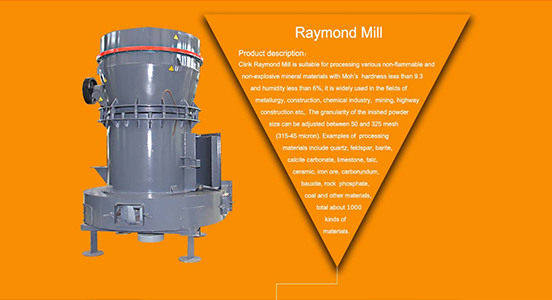
CLIRIK CLRM Raymond Mill
Suitable for medium-fine grinding, with mature design, stable operation and simple maintenance which is an economical choice for coarse basalt powder (80–200 mesh) for fabric production. It utilizes High-chromium alloy grinding rollers and rings, optimized for the high hardness of basalt, extending wear life and reducing per-ton cost. Combined with variable-frequency feeding and classification systems, it delivers uniform particle size distribution and continuous, stable furnace feeding.
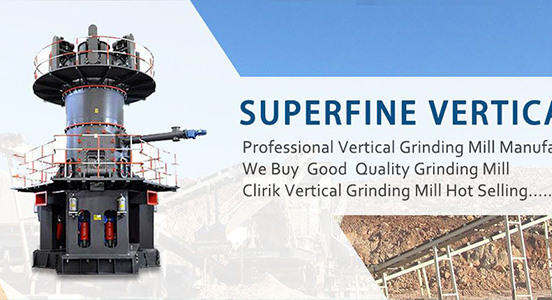
CLIRIK CLUM Ultrafine Vertical Mill
This equipment features low operating costs, high output, low noise levels, and an integrated design. Ideally suited for large-scale continuous production, it is the premier choice for the coarse grinding stage of raw materials used in fiber cloth manufacturing. Adopting the principle of material layer grinding, it integrates crushing, grinding and classification, and the unit energy consumption is significantly reduced compared with traditional mills; the whole machine operates in a sealed manner and is equipped with pulse dust removal, meeting the requirements of 24/7 industrial production and environmental protection.
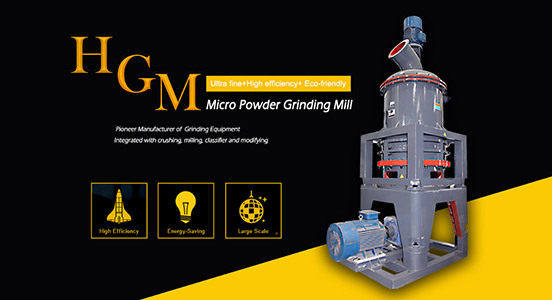
CLIRIK HGM Ring Roller Mill
Balancing grinding efficiency and fineness, it is suitable for the production of powders of various finenesses. The roller and high-speed airflow are linked for staged processing. It offers a wide fineness adjustment range and fast switching between specifications, balancing capacity and quality. In a short, it is the most cost-effective choice for fiber powder production lines.
CLIRIK CLQM Air Classifier Mill
Designed for sub-10 μm ultra-fine powder. Airflow accelerates the material for self-grinding, yielding a narrow particle size distribution, high purity and controllable temperature rise, avoiding over-grinding that could damage fiber performance. It is the key equipment for high-end fiber powder fillers and for entering premium markets.
All four machine types can be equipped with high-precision classification systems and fully enclosed dust collection. It can ensure controllable particle size, stable operation and environmental compliance. Furthermore, we can provide customized wear-resistant parts and process parameter adjustments based on customer materials, thus ensuring the equipment precisely matches your raw material and product’s position.
4. Conclusion
Whether you produce Basaltic Fiber Cloth or basalt fiber powder, the quality of the grinding equipment directly affects product quality and production efficiency, and is a crucial aspect that needs to be carefully considered in production line planning.For further information, we welcome you to contact us to discuss your basalt processing requirements. We will provide equipment recommendations, capacity analysis and cost estimates for your evaluation. We also invite you to call for an initial consultation, send material samples for free trial grinding, or visit our facility to see the equipment in operation.
5.Shortly FAQ
Q: What mesh size is needed for basalt fiber cloth production?A: 80–200 mesh coarse powder.
Q: What equipment grinds basalt fiber waste into powder?
A: HGM Ring Roller Mill, CLUM Vertical Mill, CLQM Air Classifier Mill.
Q: Can one mill produce both 200 mesh and 2500 mesh powder?
A: Yes, HGM Ring Roller Mill has a large scale of grinding size.
Q: How to avoid over-grinding basalt fiber powder?
A: Use an Air Classifier Mill with precision classification.
Q: Is basalt fiber powder more expensive than stone powder?
A: Yes, due to its reinforcing properties and processing complexity.
Related Newsmore >>
- CLIRIK Exhibition Preview: Join Us at CHINACOAT & SFCHINA 2026 in Guangzhou2026-09-15
- What to Consider Before Replacing Your Old Mill?2026-09-10
- Intro Investing in a non-metallic mineral powder plant has become one of the most attractive opportu2026-09-10
- Calcium Carbonate Masterbatch: What It Is and How to Use It2026-09-09
- CLIRIK Mid-Autumn Festival 2026 Holiday Preview2026-09-07
- Oyster Shell HGM Ultrafine Mill for Circular Economy2026-09-04